Dog Breed:
Shetland Sheepdog


Other Common Names:
Sheltie
Description:
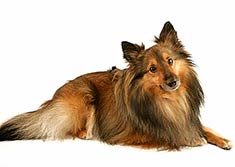
The Shetland Sheepdog or "Sheltie" is a small, strong, nimble and lightly built dog breed, making it a fast runner and an able jumper. The breed combines the speed, endurance, agility and intelligence to be an outstanding herder. From a young age, Shetland Sheepdogs demonstrate a desire to please their owners, which make this dog breed easily trainable and an ideal family pet.
Country of Origin:
The Shetland Sheepdog originated in Scotland
Height:
Male Shetland Sheepdogs range from 13 inches to 15 inches. Female Shetland Sheepdogs range from 12 inches to 14 inches.
Weight:
Male Shetland Sheepdogs range from 14 to 18 pounds. Female Shetland Sheepdogs range from 12 to 16 pounds.
Colors:
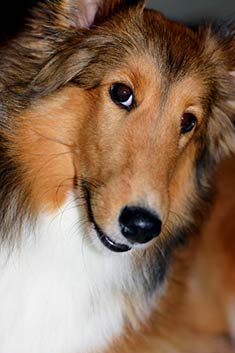
Shetland Sheepdogs colors range from black to sable to golden or mahogany marked with different amounts of white or tan.
Coat:
Shetland Sheepdogs outer coat is long, straight and harsh, while the undercoat is short and furry. Their coat requires regular brushing.
Temperament:
The Shetland Sheepdog is intelligent and willing to please. Gentle and playful, the Shetland Sheepdog does well with children.
Health Concerns:
The Shetland Sheepdog is susceptible to disease of the eyes.
Life Expectancy:
The expected life span of the Shetland Sheepdog is 12-14 years.
Living Environment:
Shetland Sheepdogs will do well in apartments as long as they are given sufficient amounts of exercise.
AKC Group:
The Shetland Sheepdog is in the Herding group.