Dog Worms and Intestinal Parasites
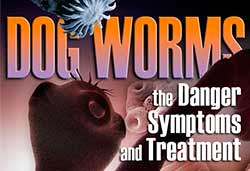
Roundworms, hookworms, whipworms, and tapeworms are fairly common parasites in dogs. Learn how your dog can become infected, what you can do to prevent infections, what symptoms your dog may show if he is infected, and how to get rid of worms once your dog has them.
Tapeworms in Dogs
The tapeworm sheds its eggs in the feces of an infected animal, and can remain infectious in the environment for a number of months. When a wild animal such as a rabbit eats grass or vegetables infected with the eggs, the wild animal becomes infected, and in turn infects a dog when the dog eats the rabbit. A typical infection may involve as many as hundreds or even thousands of worms. The adult worms then attach to the walls of the intestines and start shedding eggs after about a month.
The eggs can be seen leaving your dog, usually in the feces or stuck to the fur around the dog’s anus. They look like flattened grains of rice that move, and the movement causes the egg cases to shed thousands of eggs too small for you to see.
Roundworms in Dogs
The roundworm may infect the dog when he eats a mouse, rat, mole or some other creature that is infected or a puppy may become infected by worms from the mama either through the uterus or while the puppy is nursing. Roundworms don’t cause huge problems in adult dogs, so you may not even know your dog is infected, but the hormones of pregnancy activate the larvae in the mama dog, causing them to pass through the placenta and into the puppies before they are born.
The roundworms leaves the intestinal tract and travels into other organs, primarily the lungs, where they mature before traveling back to the intestines to lay their eggs. Millions of eggs pass out of the infected dog in his stool, and can live for months. They then develop into infective larvae which can infect other dogs directly, or can infect an intermediate host such as a mouse or mole that a new dog then eats.
Hookworms in Dogs
Hookworms are less common than roundworms, but still cause a problem in the United States, particularly in the south. Hookworm eggs develop into infective larvae which can infect a dog either by passing through the dog’s skin or by the dog eating the larvae. Once the larvae infect a dog, the worms mate, and the female may lay as many as 30,000 eggs each day. The eggs pass out of the dog in the feces, starting the cycle over again. The larvae cannot live in the environment as long as roundworm larvae do, because hookworm larvae die when they are exposed to sunlight. Hookworms do not infect intermediate hosts, so a dog cannot become infected by eating rodents.
Whipworms in Dogs
The eggs from an infected person pass with feces. In the soil, the eggs become infectious in 2 – 4 weeks. When a dog eats something that has contaminated dirt on it, the eggs hatch in the small intestine, releasing larvae that mature into adults and take up residence in the dog’s large intestine. The adult worms attach themselves to the lining of the colon, where they can live for up to a year, with the females shedding between 3,000 and 20,000 eggs every day.
Symptoms of a Worm Infection
Regardless of the type of worm infecting your dog, the worm drains nutrients from your dog’s system, causing his overall health to deteriorate. The dog will often look malnourished, and may develop anemia, which may in turn cause a rapid heart rate. Sometimes, the dog will develop a swollen potbelly, particularly if the infection afflicts a puppy. Puppies may also show changes in their fur, with it becoming dry, coarse, and dull.
Other generalized symptoms include weight loss, fatigue, diarrhea, vomiting, and feces that are unusually dark. More specific symptoms include abdominal pain, which results from the bulkiness of the worms taking up space. In addition, the dog’s nose may be hot and dry, while his gums are pale and his breath is worse than usual.
If you suspect worms, your vet will need to test the dog’s feces for infestation. It is important that you provide a fresh specimen that is close to body temperature and has not been on the ground for very long. However, it is very possible that your dog will test negative even though he is infected with worms. Your vet is likely to prescribe a deworming treatment even if the test is negative because worms are so common in dogs, and because an untreated infection can be so dangerous to your dog.
Treatment of a Worm Infection
No one deworming medication can get rid of every type of worm, but some will treat more than one type. As a general rule of thumb, those medications that are effective against round-shaped worms like the roundworm will not combat flat worms like the tapeworm, and vice versa. If your vet is unsure as to which worm is infecting your dog because diagnostic tests were negative, he may prescribe more than one medication to make sure all bases are covered.
Many heartworm medications also contain deworming agents, so your dog may be receiving treatment without your even being aware of it. Heartgard Plus, Revolution, and Interceptor are all effective against hookworms, but only Interceptor is also effective against whipworms.
How can I Prevent Worm Infections?
Dogs are at an especially high risk of being infected by worms if they live in crowded urban areas or multiple pet households, or if they are used for hunting or show. These dogs should be screened often for worm infections, but for other dogs, twice yearly screenings should be sufficient.
Fleas can carry some species of tapeworms, which can be transferred to a dog. Therefore, flea control can be an important part of your preventive routine.
To the extent possible, keep your dog from eating animal carcasses which may contain worms.
Because worms can live in soil or gravel, consider paving the area where your dog does his business. Clean up after your dog as soon as possible after he defecates. Worms can re-infect your dog, so you want to remove them and their eggs before they have the chance.

Doggies Den: Latest Articles
 Homemade Thanksgiving Treats for Your Dog
NUTRITION We all want to include our dogs in our holiday celebrations, but hopefully, you're aware that sharing table scraps with your dog isn't always the best idea.
 Keeping Your Dog Safe during the Summer Months
HEALTH Summer is coming on fast, so it’s time to plan how you will keep your dog safe and healthy through the lazy, carefree, warm days.
 Vaccination Time Again-Keeping Your Puppy Healthy
DOG HEALTH So you have your new puppy picked out. There are quite a few shots, treatments and examinations that will keep the newest member of your family healthy.
 Canine Thanksgiving Feast
NUTRITION With the wide variety of food at Thanksgiving dinner, chances are you'll want to give your dog something special, too. If you're contemplating what to feed your dog for the holiday, here is a guide to a great Canine Thanksgiving Feast.
 Dog Walking Tips Every Owner Should Know
DOG FUN Walking your dog is not only crucial to keeping him healthy and happy, it strengthens the bond between your canine friend and his caregiver. There are a lot of obstacles out there. Don’t forget these simple tips to keep your walk fun and safe in the outside world.
 The Benefits of Physiotherapy for your Dog
HEALTH The same techniques that physiotherapists use to treat a variety of injuries and conditions in humans have been adapted to suit animals with great success. Family pets, show dogs, and working dogs can all benefit greatly from physiotherapy. Dogs whose activities involve a lot of agility are especially susceptible to the types of problems that physiotherapy can address.
 The Decision- Adding a Dog to Your Family
FIRST TIME OWNERSBringing a dog into your family is a decision where many people don’t realize it’s magnitude until after they have the dog. There are a number of things that you need to research before you decide to purchase a dog, and it starts right in your own home.
 Bringing Your Dog Into Your New Baby's Life
HEALTH Many believe that a dog and a new baby cannot happily coexist, so therefore the dog has to go. This is not necessarily the case.  A new baby does not mean you have to abandon your dog.

Doggies Den:
Most Popular Articles

Dog Pregnancy Symptoms
HEALTHIf you suspect your dog might be pregnant, check out part one in this series on pregnant dogs, where we cover pregnant dog symptoms.
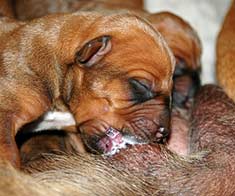
Dog Birth
HEALTHIn the third article of our dog pregnancy series, we look at the wonderful, but messy, process of bringing newborn puppies into the world.

Indoor Dog Potties
DOG PRODUCTSIt's been a long day at work. You were so busy, you didn't even take time to eat a sandwich, let alone run home to let your dog out. You're on your way home, knowing the poor dog is crossing his or her legs by now, when your car breaks down, delaying you even further. Can't somebody make this easier?

Your Dog’s Digestive System
PHYSIOLOGYEver wonder why your dog eats so fast? Or why he eats gross things? Or why he gets sick to his stomach? Or why his waste stinks so bad? Some of these things are normal, some are not.

Canine Respiratory System
BREATHINGThe basic function of your dog's respiratory system is to bring oxygen in to and remove carbon dioxide from the body. Knowing the symptoms of respiratory diseases can help you help your stay healthy.
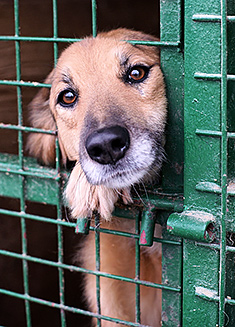
Shelter Dog Adoption Tips for Success
ADOPTION Are you intimidated by the prospect of "rescuing" a dog from a shelter? One reason that you may be wary of adopting a dog from a shelter is not knowing how to choose. Adopting a dog from a shelter can be a rewarding process, if you're prepared to do a reasonable amount of research.
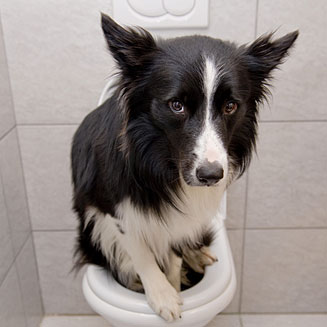
Canine Urinary Tract Infections
SYMPTOMS AND TREATMENTDoes your dog seem to be having trouble relieving his or her bladder? Learn how to recognize the signs of urinary tract infections and how to treat them before they spread.

What to do for Dog Diarrhea
SYMPTOMS AND REMEDIESIf you have dogs in your house for any length of time, you have likely experienced at least one bout of dog diarrhea. Beyond the pain in the tuckus involved in cleaning up the mess, you should know what causes diarrhea, and when it's important to see the vet.

What to do for a Dog Bite
DOG BEHAVIOR Getting bitten by a dog can be scary, and you may be tempted to run around in circles for a while, trying to figure out what to do. Here's our guide to help you manage the situation.
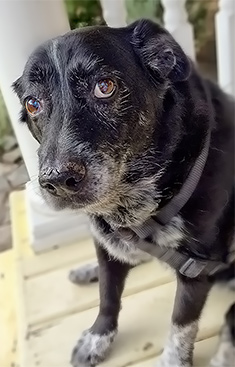
Top Ten Tips for Living with a Senior Dog
DOG HEALTH Bringing home a new puppy is so exciting, but it doesn’t take all that long for your exuberant puppy to grow into a senior dog who may have special needs. Here are the doggies.com top ten tips for taking care of your companion who has been with you through so much.