Therapy Dog Training
Good therapy dogs have certain intrinsic qualities that are excellent characteristics for therapy dogs. It’s important to take a full look at what pet therapy involves when deciding whether your dog would make a good therapy dog.
With pet therapy, a handler takes the pet to a facility such as a nursing home, adult day care center, hospital, or similar location to interact with the residents or occupants. This activity is thought to provide beneficial treatment for the individuals. Pleasant interaction with animals has been credited with creating positive health results in humans. With pet therapy, the dog interacts with the resident in accordance with the guidelines that have been set up.
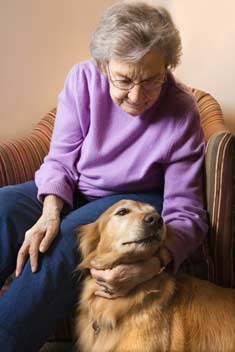
A walk on the premises of the facility might be in order if the weather permits and the resident is up for a stroll. Additionally, if the resident is up to it, he might participate in a game such as fetch with the dog. For those residents who cannot participate in such strenuous activities, the interaction might simply involve talking with the handler about the therapy dog, a previous pet, or dogs in general.
Qualities and Traits of a Good Therapy Dog
In general, a therapy dog needs to be calm in nature. A calm dog is not necessarily the same as an inactive dog. For example, a dog that wags his tail yet remains still to be petted is a calm dog. Some breeds are prone to tail wagging as a sign of their friendliness or excitement at human interaction.
One of the most important behaviors a dog should have in order to become a good therapy dog would be to have good canine manners. Since therapy dogs are expected to fulfill the expectations of whoever is handling them at the time of the visit, a tendency toward good behavior is a must.
Additionally, the dog should be comfortable with getting touched on most parts of his body. In particular, the head, neck, ears, back, tail, and paws are prime targets for petting and stroking. In order for the dog to remain calm in all of this, he needs to be able to feel comfortable with the touching that he is receiving. In fact, it is important to realize that many of the people who the dog becomes a visitor for are going to have problems with their motor skills. Therefore, their petting motions might become jerky and erratic. The dog should be able to tolerate this type of behavior.
While formal obedience training is not mandatory in many cases, it can’t hurt. In fact, some type of obedience training, even if performed by the dog’s owner will be beneficial in preparing the dog for his work. In fact, obedience training within a group situation prepares a dog for socialization with other dogs as well as with humans.
A therapy dog needs to be friendly in a way that portrays his eagerness at meeting new people in a gentle manner. Jumping up and down onto the people he is visiting is not a good display of friendliness. However, tail wagging, standing in attentiveness, allowing himself to be petted or hugged are all good indicators of a friendly nature that will do well for a therapy dog.
Dogs that bark excessively do not make good therapy dogs either since this is not acceptable behavior. In fact, dog barking can do more harm than the good that the dog’s presence would do. The dog should not bark at all when he is on a visit. Basic commands such as stay, sit, and down should be readily understood and obeyed by therapy dogs.
Since more than one therapy dog might arrive at a nursing home location at the same time, the ability to get along with other dogs and pets is also a good trait. Depending on the size of the nursing facility, more than one dog/handler team might visit on a regular basis. Additionally, the home might have a resident dog or cat that the dog will need to get along with in a friendly manner. This is true even if the teams will be working in separate areas of the home.
Requirements for a Good Therapy Dog
Moreover, a therapy dog needs to be completely housebroken. This is an essential aspect for the dog to become a therapy helper. Along the same lines, it is important that the dog is always clean and healthy. Therefore, regular visits to the veterinarian are in order. In fact, annual check ups are usually required in order for the dog to continue as part of the therapy program. Plus, the dog must be up-to-date on his vaccinations for distemper, rabies, and parvo.
In general, certain other specifications exist for selecting a dog to do therapy work. The dog must be at least a year old in order to qualify for the position. Puppies are typically too energetic and curious to be of much use in this field. Additionally, therapy work can be strenuous for an animal. A puppy might not have the stamina that it takes to complete a 30-minute visit that requires hard work. After all, it is hard work to remain patient while someone with less than perfect motor skills pets your body and fusses over you.
Not as Easy as it Sounds
Although the thoughts of humans might lead them to believe that being a therapy dog is easy work since it involves a lot of petting and being fussed over, the truth of the matter is that it is a bit more complicated than that. Think about all of the newness the situation brings to the dog each time he visits the nursing home.
Unfamiliar smells assault his nostrils, possibly creating a bit of anxiety or stress for him. Unfamiliar people with their unfamiliar smells are touching him all over. Sometimes these strange hands aren’t very gentle when they are petting or stroking his fur. This activity in itself might be cause enough for stress or anxiety.
Nursing Homes can Seem Strange to a Dog
The surroundings inside the nursing home are also unfamiliar. The beds make funny squeaking noises. The people ride around in chairs that make funny whirring noises instead of walking. Plus, the people who are walking carry strange metal contraptions in front of them or scary looking wooden sticks that look as though they could be used for a whipping rod. Men and women in white, green, or pink coats are walking around with little white cups and shiny pieces of metal.
The entire atmosphere at a nursing home can be confusing and upsetting to a dog let alone a puppy. Once a dog has become acclimated to these new surroundings, the anxiety and stressfulness should decrease.
Insurance and Registration
Liability insurance must also be obtained on a dog that is to become a therapy dog. Not only does this protect the dog’s owner, but also, it provides the coverage that the residents might need should an unfortunate incident occur.
Registration of your dog as a therapy dog is an essential aspect of getting him ready to help people. In fact, national registration provides proof to any facility that you intend to visit that the dog has the proper temperament. It also verifies that your dog is covered by liability insurance and that he is healthy and clean.
Once a dog owner has registered nationally, he has two options. He can decide to work independently with his dog or he can join a registered team and work with it in a group therapy situation.
To register a dog for participation in pet therapy, the owner usually attends a pet therapy session to observe without his dog. Next, the dog’s temperament will be tested to see if it is agreeable with the standards. If the dog passes this part of the test, the dog along with his handler must participate in a minimum of three therapy visits while being observed. If it is decided that the dog and his handler are a good match for pet therapy, they will be recommended as a qualified team.

Doggies Den: Latest Articles
 Homemade Thanksgiving Treats for Your Dog
NUTRITION We all want to include our dogs in our holiday celebrations, but hopefully, you're aware that sharing table scraps with your dog isn't always the best idea.
 Keeping Your Dog Safe during the Summer Months
HEALTH Summer is coming on fast, so it’s time to plan how you will keep your dog safe and healthy through the lazy, carefree, warm days.
 Vaccination Time Again-Keeping Your Puppy Healthy
DOG HEALTH So you have your new puppy picked out. There are quite a few shots, treatments and examinations that will keep the newest member of your family healthy.
 Canine Thanksgiving Feast
NUTRITION With the wide variety of food at Thanksgiving dinner, chances are you'll want to give your dog something special, too. If you're contemplating what to feed your dog for the holiday, here is a guide to a great Canine Thanksgiving Feast.
 Dog Walking Tips Every Owner Should Know
DOG FUN Walking your dog is not only crucial to keeping him healthy and happy, it strengthens the bond between your canine friend and his caregiver. There are a lot of obstacles out there. Don’t forget these simple tips to keep your walk fun and safe in the outside world.
 The Benefits of Physiotherapy for your Dog
HEALTH The same techniques that physiotherapists use to treat a variety of injuries and conditions in humans have been adapted to suit animals with great success. Family pets, show dogs, and working dogs can all benefit greatly from physiotherapy. Dogs whose activities involve a lot of agility are especially susceptible to the types of problems that physiotherapy can address.
 The Decision- Adding a Dog to Your Family
FIRST TIME OWNERSBringing a dog into your family is a decision where many people don’t realize it’s magnitude until after they have the dog. There are a number of things that you need to research before you decide to purchase a dog, and it starts right in your own home.
 Bringing Your Dog Into Your New Baby's Life
HEALTH Many believe that a dog and a new baby cannot happily coexist, so therefore the dog has to go. This is not necessarily the case.  A new baby does not mean you have to abandon your dog.

Doggies Den:
Most Popular Articles

Dog Pregnancy Symptoms
HEALTHIf you suspect your dog might be pregnant, check out part one in this series on pregnant dogs, where we cover pregnant dog symptoms.
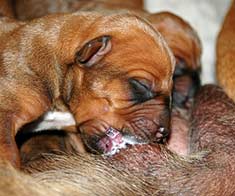
Dog Birth
HEALTHIn the third article of our dog pregnancy series, we look at the wonderful, but messy, process of bringing newborn puppies into the world.

Indoor Dog Potties
DOG PRODUCTSIt's been a long day at work. You were so busy, you didn't even take time to eat a sandwich, let alone run home to let your dog out. You're on your way home, knowing the poor dog is crossing his or her legs by now, when your car breaks down, delaying you even further. Can't somebody make this easier?

Your Dog’s Digestive System
PHYSIOLOGYEver wonder why your dog eats so fast? Or why he eats gross things? Or why he gets sick to his stomach? Or why his waste stinks so bad? Some of these things are normal, some are not.

Canine Respiratory System
BREATHINGThe basic function of your dog's respiratory system is to bring oxygen in to and remove carbon dioxide from the body. Knowing the symptoms of respiratory diseases can help you help your stay healthy.
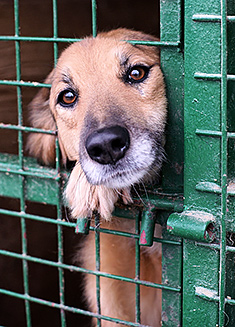
Shelter Dog Adoption Tips for Success
ADOPTION Are you intimidated by the prospect of "rescuing" a dog from a shelter? One reason that you may be wary of adopting a dog from a shelter is not knowing how to choose. Adopting a dog from a shelter can be a rewarding process, if you're prepared to do a reasonable amount of research.
Canine Urinary Tract Infections
SYMPTOMS AND TREATMENTDoes your dog seem to be having trouble relieving his or her bladder? Learn how to recognize the signs of urinary tract infections and how to treat them before they spread.
What to do for Dog Diarrhea
SYMPTOMS AND REMEDIESIf you have dogs in your house for any length of time, you have likely experienced at least one bout of dog diarrhea. Beyond the pain in the tuckus involved in cleaning up the mess, you should know what causes diarrhea, and when it's important to see the vet.
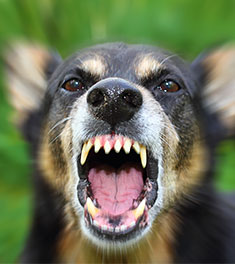
What to do for a Dog Bite
DOG BEHAVIOR Getting bitten by a dog can be scary, and you may be tempted to run around in circles for a while, trying to figure out what to do. Here's our guide to help you manage the situation.
Top Ten Tips for Living with a Senior Dog
DOG HEALTH Bringing home a new puppy is so exciting, but it doesn’t take all that long for your exuberant puppy to grow into a senior dog who may have special needs. Here are the doggies.com top ten tips for taking care of your companion who has been with you through so much.