Understanding the Nutritional Needs of Your Dog
We all know that what we eat can have a profound impact on our overall health, but many of us forget that this is equally true for our pets. The nutritional needs of animals vary quite a bit between species, and there is a wealth of difference between what we humans need to stay healthy and what our dogs and cats need. Understanding these differences can help dog and cat owners keep their beloved pets happy and healthy for their entire lives.
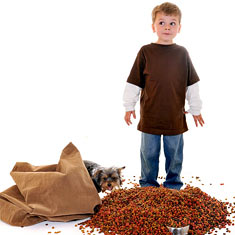
One of the most important things to keep in mind when feeding Fluffy or Fido is that dogs are carnivores by nature, while humans are omnivores. While the human digestive tract has evolved to digest all manner of foods, including both plant based and animal based proteins, dogs are designed to eat meat.
This means that when you look at the ingredient list on a package of dog food, the first ingredient listed should be some sort of meat. In most cases that meat will be chicken, beef, or lamb, but it is important that high quality meat be listed as the first ingredient.
Dog food manufacturers will often use meat meals, such as chicken meal, lamb meal, etc. in their formulations. Some amount of meal is acceptable, but it should not be the first ingredient.
Also be on the lookout for unacceptable ingredients on the list. One of the most commonly used ingredients in cheaper brands of dog food is simply listed as meat by-products. In some cases the ingredient list will state chicken by-products or simply meat by-products, but in all cases it is best to steer clear of such additives. Many manufacturers add these ingredients to bulk up the volume of their food at low cost, but some very troubling things can make up those “by-products” of the meat production process.
Some of those “by-products” may include feathers, fur, skin, hooves and even beaks and eyes. You probably wouldn’t want these things in your food, and chances are your dog doesn’t want them either.
While most dog owners can understand the undesirable nature of hooves, beaks and eyes, many are unaware that soy is an undesirable ingredient in dog food as well. That is because many dogs are allergic to soy products, and this type of allergy could cause all kinds of reactions. Some of the many signs of a soy allergy are digestive problems like vomiting and diarrhea and skin problems like rashes and itchy spots. In serious allergic reactions problems with breathing could occur as well. If you see such symptoms in your dog after changing his food, take a look at the label and see if soy could be the culprit.
Canned food can make up part of a healthy doggy diet as well, but most dogs will do better on a combination of dry and wet food or on dry food alone. Dry food is generally considered better for the dog’s teeth as well, and it is a good idea to limit canned food for many dogs.
No matter how much canned food is fed, however, it is important to choose the brand with the highest quality ingredients. As with dry food, the first ingredient on the list should be meat. Many manufacturers will try to trim costs by packing their food with water, and for those brands water will be listed as the first ingredient. Be sure that meat is listed as the first ingredient. Not only will your dog enjoy better food but you will get more dog food for your money.
If you are unsure what brand of food is best, it is a good idea to check with your veterinarian, or with the breeder from whom you adopted your puppy. Many breeders swear by a specific type of food, and it may be a good idea to stick with the food on which your new puppy was raised. If a change is needed, your veterinarian may be able to provide some recommendations. The world of canine nutrition can be a confusing place, but getting some expert advice can make it a bit easier to navigate.

Doggies Den: Latest Articles
 Homemade Thanksgiving Treats for Your Dog
NUTRITION We all want to include our dogs in our holiday celebrations, but hopefully, you're aware that sharing table scraps with your dog isn't always the best idea.
 Keeping Your Dog Safe during the Summer Months
HEALTH Summer is coming on fast, so it’s time to plan how you will keep your dog safe and healthy through the lazy, carefree, warm days.
 Vaccination Time Again-Keeping Your Puppy Healthy
DOG HEALTH So you have your new puppy picked out. There are quite a few shots, treatments and examinations that will keep the newest member of your family healthy.
 Canine Thanksgiving Feast
NUTRITION With the wide variety of food at Thanksgiving dinner, chances are you'll want to give your dog something special, too. If you're contemplating what to feed your dog for the holiday, here is a guide to a great Canine Thanksgiving Feast.
 Dog Walking Tips Every Owner Should Know
DOG FUN Walking your dog is not only crucial to keeping him healthy and happy, it strengthens the bond between your canine friend and his caregiver. There are a lot of obstacles out there. Don’t forget these simple tips to keep your walk fun and safe in the outside world.
 The Benefits of Physiotherapy for your Dog
HEALTH The same techniques that physiotherapists use to treat a variety of injuries and conditions in humans have been adapted to suit animals with great success. Family pets, show dogs, and working dogs can all benefit greatly from physiotherapy. Dogs whose activities involve a lot of agility are especially susceptible to the types of problems that physiotherapy can address.
 The Decision- Adding a Dog to Your Family
FIRST TIME OWNERSBringing a dog into your family is a decision where many people don’t realize it’s magnitude until after they have the dog. There are a number of things that you need to research before you decide to purchase a dog, and it starts right in your own home.
 Bringing Your Dog Into Your New Baby's Life
HEALTH Many believe that a dog and a new baby cannot happily coexist, so therefore the dog has to go. This is not necessarily the case.  A new baby does not mean you have to abandon your dog.

Doggies Den:
Most Popular Articles
Dog Pregnancy Symptoms
HEALTHIf you suspect your dog might be pregnant, check out part one in this series on pregnant dogs, where we cover pregnant dog symptoms.
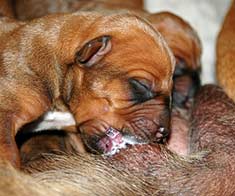
Dog Birth
HEALTHIn the third article of our dog pregnancy series, we look at the wonderful, but messy, process of bringing newborn puppies into the world.

Indoor Dog Potties
DOG PRODUCTSIt's been a long day at work. You were so busy, you didn't even take time to eat a sandwich, let alone run home to let your dog out. You're on your way home, knowing the poor dog is crossing his or her legs by now, when your car breaks down, delaying you even further. Can't somebody make this easier?
Your Dog’s Digestive System
PHYSIOLOGYEver wonder why your dog eats so fast? Or why he eats gross things? Or why he gets sick to his stomach? Or why his waste stinks so bad? Some of these things are normal, some are not.

Canine Respiratory System
BREATHINGThe basic function of your dog's respiratory system is to bring oxygen in to and remove carbon dioxide from the body. Knowing the symptoms of respiratory diseases can help you help your stay healthy.

Shelter Dog Adoption Tips for Success
ADOPTION Are you intimidated by the prospect of "rescuing" a dog from a shelter? One reason that you may be wary of adopting a dog from a shelter is not knowing how to choose. Adopting a dog from a shelter can be a rewarding process, if you're prepared to do a reasonable amount of research.
Canine Urinary Tract Infections
SYMPTOMS AND TREATMENTDoes your dog seem to be having trouble relieving his or her bladder? Learn how to recognize the signs of urinary tract infections and how to treat them before they spread.

What to do for Dog Diarrhea
SYMPTOMS AND REMEDIESIf you have dogs in your house for any length of time, you have likely experienced at least one bout of dog diarrhea. Beyond the pain in the tuckus involved in cleaning up the mess, you should know what causes diarrhea, and when it's important to see the vet.

What to do for a Dog Bite
DOG BEHAVIOR Getting bitten by a dog can be scary, and you may be tempted to run around in circles for a while, trying to figure out what to do. Here's our guide to help you manage the situation.
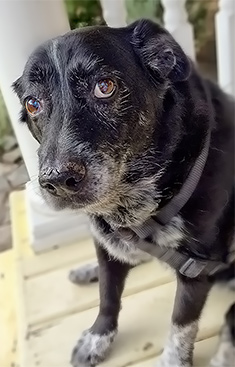
Top Ten Tips for Living with a Senior Dog
DOG HEALTH Bringing home a new puppy is so exciting, but it doesn’t take all that long for your exuberant puppy to grow into a senior dog who may have special needs. Here are the doggies.com top ten tips for taking care of your companion who has been with you through so much.