Dog Care
There are many elements to dog care, but one of the most important may be spaying and neutering your dog. Care of any other kind can be totally subverted if you don't take this precaution to prevent our shelters from becoming more overrun than they already are. If you are not planning on breeding your dog, there is really no excuse for not having him fixed. Even if you don't have the money, there are low cost programs available in many places to help you with the expense. Contact your vet or your local animal shelter for advice.
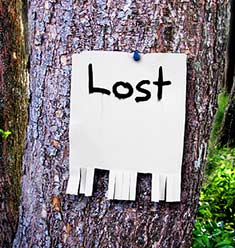
Probably the next most important facet of dog care is to keep your dog from getting lost. Many pet stores offer low cost imprinting of dog tags so you can provide your phone number(s) or address to anyone who might find your dog after he escapes. If you're worried about your dog being stolen, you might consider implanting a microchip. Although this is a more expensive option, the microchip cannot be easily removed from the dog. Carefully implanting the chip is relatively painless for your dog when done by a vet, and it is not likely that someone who goes to the trouble of stealing your dog is going to rip the dog open to get the chip out.
Once you have your dog cared for with spaying or neutering and protecting him from loss, you will be ready to think about training. This, too, is an important component of dog care. A well-trained dog is less likely to run out into traffic, to run away from you in a park, or to engage in other dangerous activities. In addition, a well-trained dog is easier to take care of on a daily basis. You will feel much more comfortable walking a dog who doesn't pull you along, and daily grooming chores will be much easier to accomplish.
For example, many dogs have a need for cosmetic or medical care to their eyes, skin, ear or nails, as shown below.
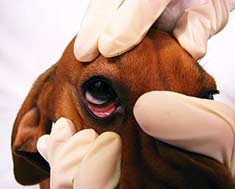
Dog Eye Care:
Dogs, especially if they are white, can produce tear stains around their eyes, which should be removed daily. Usually, this is accomplished by washing the dog's face with a warm washrag, then gently combing out the area under the eyes. In addition, feeding a dog food that does not contain dye and using only distilled drinking water can help prevent tear stains from becoming a problem.
Sometimes dog eye care is needed as a result of an infection or scratch affecting the eyes. Your vet will likely prescribe eye drops, which can be very difficult to administer if you have not taken the important dog care step of training your dog to trust you.
Dog Skin Care:
Just like humans, dogs are prone to certain skin problems. Under all of that fur, a dog may develop itchy spots due to allergies, infections, or even bug bites. If the itchy spot doesn't start out infected, it may easily become infected by prolonged scratching. Think about your dog's feet: they walk on dirty sidewalks and through whatever messes might be in your yard, then they use these same claws to scratch themselves. It's easy to see where proper dog skin care is vital.
Some breeds are prone to "hot spots" or acute moist dermatitis. These spots are very painful to the dog and may require the area to be shaved and treated with antibiotics.
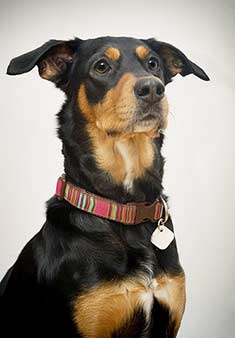
There is some dispute as to how often a dog should be bathed. Those of you who have white dogs no doubt want to keep them white, which requires very frequent bathing; however, too much shampoo and hot water can be drying to your dog's skin. Using a gentle shampoo designed specifically to provide gentle dog skin care is vital.
Dog Ear Care:
Dogs with hanging ears, such as hounds, often need special ear care to prevent fungal and yeast infections. Droopy ears trap moisture in the dog's ear canal, creating the perfect environment for the growth of bugs. After bathing or even drinking from a water bowl, your dog may need to have his ears dried thoroughly. Any hair in the ear canal can be removed by coating your fingers in baking soda, then gently pulling the hairs out. This does not cause pain to the dog, as long as you don't pull the hairs off of the floppy part of the ear. Removing hair from the ear canals allows more air to get to the ear canal, allowing it to dry more easily.
If you notice a dark, waxy substance coating the ear or if the dog whines and scratches at his ear, dog ear care is likely in order. Using a cotton ball soaked in hydrogen peroxide or rubbing alcohol, clean the dog's ear, reaching down into the ear canal as far as you can. You will not damage the ear drum, as the ear canal takes a sharp turn before it gets to the drum. Cleaning this waxy substance, which may contain ear mites, is an important factor in dog ear care.
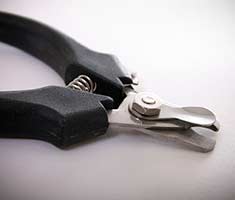
Dog Nail Care:
This is an area where proper training is vital. When you first bring home a puppy, make sure you touch his feet frequently, to get him used to having his paws handled. Paws are particularly sensitive, and the dog must be trained to allow you to perform dog nail care. You will be thankful you took the time to do this when you see yourself avoiding vet bills every 4 - 6 weeks, simply for your dog nail care.
Assuming your dog will allow you to do the nail care yourself, buy a good quality pair of nail trimmers. Being careful not to cut the nail too short, firmly grasp the dog's paw and snip off the nails quickly and confidently. Other options to dog nail care are to walk your dog frequently, allowing the nails to be ground down by the sidewalk, or to buy one of the newer products like Pedi-Paws, which grinds or files the nail, rather than cutting it.
If you choose walking to accomplish your dog nail care, you will also have fulfilled another important part of dog care: that of giving your dog adequate exercise. Different breeds require vastly different amounts of exercise, based on both size and temperament. Make sure you do the proper research before you get a dog so that you find a breed that fits your lifestyle. If you are never home, you are not likely to be able to provide proper dog care for a dog that has high exercise needs.
The last important element of dog care we will cover here is the need to maintain your dog's health. Find a good veterinarian who can give you valuable information on vaccinations, poisonings, and healthy dog foods and snacks. Taking his or her advice will start you well on your way to providing total dog care for your new family member!

Doggies Den: Latest Articles
 Homemade Thanksgiving Treats for Your Dog
NUTRITION We all want to include our dogs in our holiday celebrations, but hopefully, you're aware that sharing table scraps with your dog isn't always the best idea.
 Keeping Your Dog Safe during the Summer Months
HEALTH Summer is coming on fast, so it’s time to plan how you will keep your dog safe and healthy through the lazy, carefree, warm days.
 Vaccination Time Again-Keeping Your Puppy Healthy
DOG HEALTH So you have your new puppy picked out. There are quite a few shots, treatments and examinations that will keep the newest member of your family healthy.
 Canine Thanksgiving Feast
NUTRITION With the wide variety of food at Thanksgiving dinner, chances are you'll want to give your dog something special, too. If you're contemplating what to feed your dog for the holiday, here is a guide to a great Canine Thanksgiving Feast.
 Dog Walking Tips Every Owner Should Know
DOG FUN Walking your dog is not only crucial to keeping him healthy and happy, it strengthens the bond between your canine friend and his caregiver. There are a lot of obstacles out there. Don’t forget these simple tips to keep your walk fun and safe in the outside world.
 The Benefits of Physiotherapy for your Dog
HEALTH The same techniques that physiotherapists use to treat a variety of injuries and conditions in humans have been adapted to suit animals with great success. Family pets, show dogs, and working dogs can all benefit greatly from physiotherapy. Dogs whose activities involve a lot of agility are especially susceptible to the types of problems that physiotherapy can address.
 The Decision- Adding a Dog to Your Family
FIRST TIME OWNERSBringing a dog into your family is a decision where many people don’t realize it’s magnitude until after they have the dog. There are a number of things that you need to research before you decide to purchase a dog, and it starts right in your own home.
 Bringing Your Dog Into Your New Baby's Life
HEALTH Many believe that a dog and a new baby cannot happily coexist, so therefore the dog has to go. This is not necessarily the case. A new baby does not mean you have to abandon your dog.

Doggies Den:
Most Popular Articles
Dog Pregnancy Symptoms
HEALTHIf you suspect your dog might be pregnant, check out part one in this series on pregnant dogs, where we cover pregnant dog symptoms.
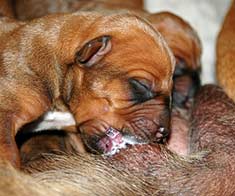
Dog Birth
HEALTHIn the third article of our dog pregnancy series, we look at the wonderful, but messy, process of bringing newborn puppies into the world.

Indoor Dog Potties
DOG PRODUCTSIt's been a long day at work. You were so busy, you didn't even take time to eat a sandwich, let alone run home to let your dog out. You're on your way home, knowing the poor dog is crossing his or her legs by now, when your car breaks down, delaying you even further. Can't somebody make this easier?
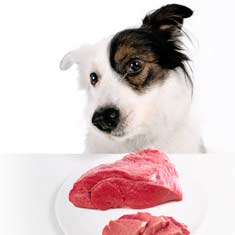
Your Dog’s Digestive System
PHYSIOLOGYEver wonder why your dog eats so fast? Or why he eats gross things? Or why he gets sick to his stomach? Or why his waste stinks so bad? Some of these things are normal, some are not.

Canine Respiratory System
BREATHINGThe basic function of your dog's respiratory system is to bring oxygen in to and remove carbon dioxide from the body. Knowing the symptoms of respiratory diseases can help you help your stay healthy.
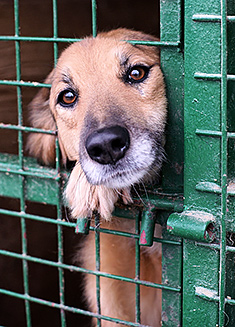
Shelter Dog Adoption Tips for Success
ADOPTION Are you intimidated by the prospect of "rescuing" a dog from a shelter? One reason that you may be wary of adopting a dog from a shelter is not knowing how to choose. Adopting a dog from a shelter can be a rewarding process, if you're prepared to do a reasonable amount of research.
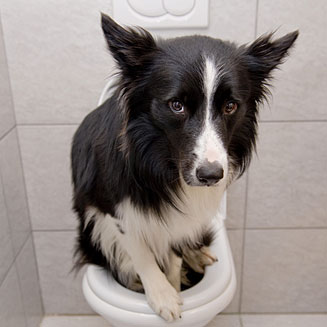
Canine Urinary Tract Infections
SYMPTOMS AND TREATMENTDoes your dog seem to be having trouble relieving his or her bladder? Learn how to recognize the signs of urinary tract infections and how to treat them before they spread.
What to do for Dog Diarrhea
SYMPTOMS AND REMEDIESIf you have dogs in your house for any length of time, you have likely experienced at least one bout of dog diarrhea. Beyond the pain in the tuckus involved in cleaning up the mess, you should know what causes diarrhea, and when it's important to see the vet.
What to do for a Dog Bite
DOG BEHAVIOR Getting bitten by a dog can be scary, and you may be tempted to run around in circles for a while, trying to figure out what to do. Here's our guide to help you manage the situation.
Top Ten Tips for Living with a Senior Dog
DOG HEALTH Bringing home a new puppy is so exciting, but it doesn’t take all that long for your exuberant puppy to grow into a senior dog who may have special needs. Here are the doggies.com top ten tips for taking care of your companion who has been with you through so much.