Teach Your Puppy to Come When You Call
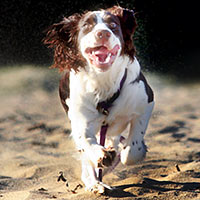
When you bring home your new puppy, one of the first commands that you should teach him is "come." This is a very important lesson because it establishes that you are in charge of the relationship: you are, so to speak, the alpha dog. And when your puppy comes on command, you have the ability to call him to your side when he is about to do something that is wrong or dangerous. You can also easily get his attention, which is vital if you're going to teach him other things – like sitting, or doing tricks.
Some people think that this is a difficult command to teach. Fortunately, that's rarely true. Most puppies are intelligent and eager to please their masters. If you treat your puppy well, then he will want to make you happy. Here's how to show your puppy what he needs to do when you call him.
First, you need to make sure that your puppy knows his name. Use his name every time you address him. "That's a good boy, Fred" is one of many ways to help him realize that he's called Fred. You and your puppy are ready for the next step when you are certain that he recognizes his name. He will acknowledge the name in some way: he'll turn to look at you, perhaps, or perk up his ears.
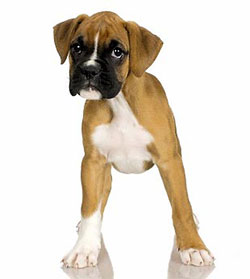
Now that your puppy is ready to learn how to come when he's called, you need to make that command an enticing, interesting thing to do. The dog will figure out what you want, but you have to give him an incentive at first.
So: grab his favorite toy, or a handful of puppy treats, and get somebody in the family to hold the puppy. Hold Fred (or whatever you've named your new pal) on the floor so that he can come to you when you call him. Now walk a few feet away and kneel down to the floor.
You should squeak the toy, or rattle the puppy treats, or whatever it takes to get the puppy's attention. As you do this, say, "Come, Fred!" in a clear and pleasant voice. You want to sound happy: if you don't, your puppy might think that he is in trouble. Then he'll associate the "come" command with bad things and be tempted to run away instead of obeying you.
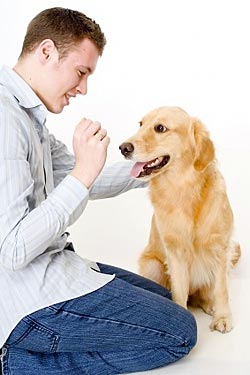
But when your puppy sees the toy or the treats, he'll come to you. Reward him as soon as he reaches you. Let him chomp on the toy for a minute. Give him one of the treats. Pet him and tell him what a good boy he is. Say things like, "Good come, Fred. You know how to come, don't you?" Repeating the "come" command while rewarding the puppy will help him associate that word with what he just did – and with the goodies that you give him when he obeys you.
You will have to repeat this process a few times, if not more, before your puppy figures out what "come" means. Have different family members take turns holding the puppy, calling him over, et cetera. Everyone in the house needs to participate: that way, your puppy understands that he is to obey them all – not just you.
With a little practice and plenty of rewards, the puppy will soon figure out what you want him to do. You will have a well-trained companion who, with enough practice, will drop whatever he is doing to come to you when you call. This is a crucial step toward having a well-behaved dog: accomplish this and you can begin more advanced training.

Doggies Den: Latest Articles
 Homemade Thanksgiving Treats for Your Dog
NUTRITION We all want to include our dogs in our holiday celebrations, but hopefully, you're aware that sharing table scraps with your dog isn't always the best idea.
 Keeping Your Dog Safe during the Summer Months
HEALTH Summer is coming on fast, so it’s time to plan how you will keep your dog safe and healthy through the lazy, carefree, warm days.
 Vaccination Time Again-Keeping Your Puppy Healthy
DOG HEALTH So you have your new puppy picked out. There are quite a few shots, treatments and examinations that will keep the newest member of your family healthy.
 Canine Thanksgiving Feast
NUTRITION With the wide variety of food at Thanksgiving dinner, chances are you'll want to give your dog something special, too. If you're contemplating what to feed your dog for the holiday, here is a guide to a great Canine Thanksgiving Feast.
 Dog Walking Tips Every Owner Should Know
DOG FUN Walking your dog is not only crucial to keeping him healthy and happy, it strengthens the bond between your canine friend and his caregiver. There are a lot of obstacles out there. Don’t forget these simple tips to keep your walk fun and safe in the outside world.
 The Benefits of Physiotherapy for your Dog
HEALTH The same techniques that physiotherapists use to treat a variety of injuries and conditions in humans have been adapted to suit animals with great success. Family pets, show dogs, and working dogs can all benefit greatly from physiotherapy. Dogs whose activities involve a lot of agility are especially susceptible to the types of problems that physiotherapy can address.
 The Decision- Adding a Dog to Your Family
FIRST TIME OWNERSBringing a dog into your family is a decision where many people don’t realize it’s magnitude until after they have the dog. There are a number of things that you need to research before you decide to purchase a dog, and it starts right in your own home.
 Bringing Your Dog Into Your New Baby's Life
HEALTH Many believe that a dog and a new baby cannot happily coexist, so therefore the dog has to go. This is not necessarily the case. A new baby does not mean you have to abandon your dog.
Doggies Den:
Most Popular Articles
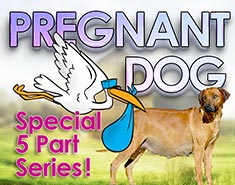
Dog Pregnancy Symptoms
HEALTHIf you suspect your dog might be pregnant, check out part one in this series on pregnant dogs, where we cover pregnant dog symptoms.
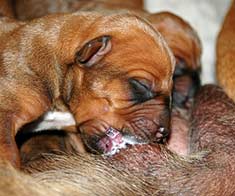
Dog Birth
HEALTHIn the third article of our dog pregnancy series, we look at the wonderful, but messy, process of bringing newborn puppies into the world.
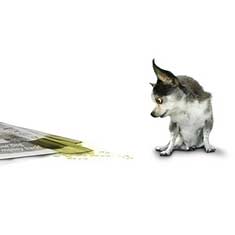
Indoor Dog Potties
DOG PRODUCTSIt's been a long day at work. You were so busy, you didn't even take time to eat a sandwich, let alone run home to let your dog out. You're on your way home, knowing the poor dog is crossing his or her legs by now, when your car breaks down, delaying you even further. Can't somebody make this easier?
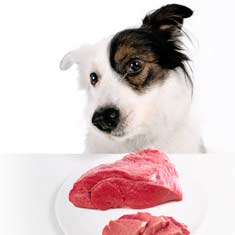
Your Dog’s Digestive System
PHYSIOLOGYEver wonder why your dog eats so fast? Or why he eats gross things? Or why he gets sick to his stomach? Or why his waste stinks so bad? Some of these things are normal, some are not.
Canine Respiratory System
BREATHINGThe basic function of your dog's respiratory system is to bring oxygen in to and remove carbon dioxide from the body. Knowing the symptoms of respiratory diseases can help you help your stay healthy.
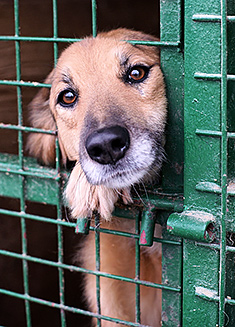
Shelter Dog Adoption Tips for Success
ADOPTION Are you intimidated by the prospect of "rescuing" a dog from a shelter? One reason that you may be wary of adopting a dog from a shelter is not knowing how to choose. Adopting a dog from a shelter can be a rewarding process, if you're prepared to do a reasonable amount of research.
Canine Urinary Tract Infections
SYMPTOMS AND TREATMENTDoes your dog seem to be having trouble relieving his or her bladder? Learn how to recognize the signs of urinary tract infections and how to treat them before they spread.
What to do for Dog Diarrhea
SYMPTOMS AND REMEDIESIf you have dogs in your house for any length of time, you have likely experienced at least one bout of dog diarrhea. Beyond the pain in the tuckus involved in cleaning up the mess, you should know what causes diarrhea, and when it's important to see the vet.
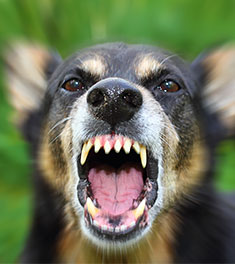
What to do for a Dog Bite
DOG BEHAVIOR Getting bitten by a dog can be scary, and you may be tempted to run around in circles for a while, trying to figure out what to do. Here's our guide to help you manage the situation.
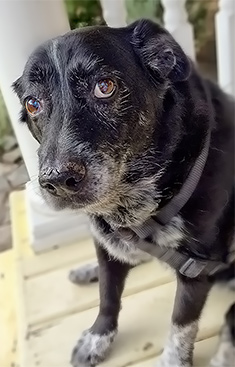
Top Ten Tips for Living with a Senior Dog
DOG HEALTH Bringing home a new puppy is so exciting, but it doesn’t take all that long for your exuberant puppy to grow into a senior dog who may have special needs. Here are the doggies.com top ten tips for taking care of your companion who has been with you through so much.