American Eskimo Breed Guide
Ancestry and Appearance
Descended from the Spitz dogs of Japan and Germany, the American Eskimo is cousin to the Malamute, Elkhound, Keeshond, Samoyed, Husky, Akita, Chow Chow, and Shiba Inu. You can recognize these breeds by their similarity to their wolf ancestors, with the tail that curls up over the back.
The dog’s body is just about square, with his length just a bit more than his height at the withers (shoulders). The muzzle is long, and the ears stand upright in a triangular shape. They have thick white or white and cream double coats that blow seasonally, creating a huge mess for the short duration of the blow. The undercoat is soft and helps to insulate the dog from the cold, while the harsh outer coat repels wet weather. The coat gets very thick and long around the neck, forming a ruff that looks a bit like a lion’s mane.
The breed standard calls for three different size classes. The toy stands 9 – 13 inches tall and weighs 6 – 10 pounds. The miniature stands 12 – 16 inches and weighs 10 – 20 pounds. The full-size Eskie stands 16 – 21 inches and weighs between 18 and 35 pounds.
Are American Eskimo Dogs easy to train?
The American Eskimo was bred to be a family companion, as well as to do the heavy work required on Nordic farms. This background reflects a highly intelligent dog who is trainable. They are fairly independent, which requires that you establish yourself as the alpha dog early in the relationship. This is a dog that has a long puppy-hood, and new owners should be prepared to deal with the annoyances of a young dog for at least 18 – 24 months.
Are they smart?
As noted above, the Eskie is very intelligent, and it is this intelligence that often causes problems. As an Eskie parent, you must be prepared to keep the dog mentally stimulated. Kong toys, where the dog is required to figure out how to get the treat out of the toy, offer a good way to keep the dog thinking rather than acting out.
Do Eskies make good watchdogs?
The American Eskimo is protective of home and family, but doesn’t generally threaten to attack or bite anyone without provocation. The breed is known to bark at strangers, so he will make a good watchdog. The barking may become problematic if the dog suffers from separation anxiety, which is common in this breed.
Are they healthy?
This breed lives, on average, 12 – 14 years, but some of them actually live as long as 20 years. Adoptive parents should be prepared to make a long-term commitment before choosing this breed. American Eskimo puppies are extremely cute, little white balls of fluff. It is easy to get sucked into purchasing one without fully considering the long-term ramifications of the deal.
Genetic diseases do occur rarely in this breed. The smaller dogs may be subject to luxating patella, where the kneecap slides out of position, while the larger dogs may suffer from hip dysplasia. As you look for a breeder, you should ask if both parents are certified as free from these diseases by the Orthopedic Foundation for Animals. In addition, breeding stock should be certified by the Canine Eye Registration Foundation as being free from genetic eye diseases like Progressive Retinal Atrophy.
The last health concern is not terribly debilitating, but does detract from the good looks of the breed. These dogs are prone to allergies, and because of their white faces, tear staining can become a problem. Because many allergies are inherited, take a close look at the faces of the dam and sire of the puppy you are considering purchasing. Look for dark streaks running down from the inside corners of the eyes. If your dog does develop allergies, you can gently wipe his face with a warm washcloth to remove the stains.
Will I need to do a lot of grooming?
The American Eskimo dog, as its name suggests, does best in cold climates. However, he can survive just fine in the heat, and should never be shaved. His dense double coat will actually protect him from becoming overheated. The dense fur must be brushed at least once a week, probably more often. During seasonal coat blows in late spring and fall, it really doesn’t matter how much you brush, you can’t keep up. Using an undercoat rake can help, but you will just need to accept that you will be finding clumps of fur everywhere you look for a week or two.
Don’t plan on just leaving your dog outdoors during the blow. Although they enjoy outdoor activities, the Eskie is a very social dog and wants to be near his family. They do need a lot of activity as an outlet for their high energy. Long daily walks or free play in a fenced yard is absolutely required.
What will the American Eskimo think of my kids and other pets?
The Eskie is very playful and affectionate. He is an excellent dog for families with children because he wants lots of love and attention.
Early socialization will keep your dog from becoming aggressive with other dogs. Introduce him early to training, perhaps via a puppy class that is primarily concerned with socialization.
The Eskie will consider small animals such as birds and rodents to be prey. Care should be taken if you own small pets that they do not become hors d’ouevres for the dog.
These dogs make great companions and family dogs, but you must be prepared for their long puppy-hood and excessive seasonal shedding. If you have a high-energy lifestyle to keep your dog mentally and physically stimulated, this may well be the dog for you!

Doggies Den: Latest Articles
 Homemade Thanksgiving Treats for Your Dog
NUTRITION We all want to include our dogs in our holiday celebrations, but hopefully, you're aware that sharing table scraps with your dog isn't always the best idea.
 Keeping Your Dog Safe during the Summer Months
HEALTH Summer is coming on fast, so it’s time to plan how you will keep your dog safe and healthy through the lazy, carefree, warm days.
 Vaccination Time Again-Keeping Your Puppy Healthy
DOG HEALTH So you have your new puppy picked out. There are quite a few shots, treatments and examinations that will keep the newest member of your family healthy.
 Canine Thanksgiving Feast
NUTRITION With the wide variety of food at Thanksgiving dinner, chances are you'll want to give your dog something special, too. If you're contemplating what to feed your dog for the holiday, here is a guide to a great Canine Thanksgiving Feast.
 Dog Walking Tips Every Owner Should Know
DOG FUN Walking your dog is not only crucial to keeping him healthy and happy, it strengthens the bond between your canine friend and his caregiver. There are a lot of obstacles out there. Don’t forget these simple tips to keep your walk fun and safe in the outside world.
 The Benefits of Physiotherapy for your Dog
HEALTH The same techniques that physiotherapists use to treat a variety of injuries and conditions in humans have been adapted to suit animals with great success. Family pets, show dogs, and working dogs can all benefit greatly from physiotherapy. Dogs whose activities involve a lot of agility are especially susceptible to the types of problems that physiotherapy can address.
 The Decision- Adding a Dog to Your Family
FIRST TIME OWNERSBringing a dog into your family is a decision where many people don’t realize it’s magnitude until after they have the dog. There are a number of things that you need to research before you decide to purchase a dog, and it starts right in your own home.
 Bringing Your Dog Into Your New Baby's Life
HEALTH Many believe that a dog and a new baby cannot happily coexist, so therefore the dog has to go. This is not necessarily the case.  A new baby does not mean you have to abandon your dog.

Doggies Den:
Most Popular Articles
Dog Pregnancy Symptoms
HEALTHIf you suspect your dog might be pregnant, check out part one in this series on pregnant dogs, where we cover pregnant dog symptoms.
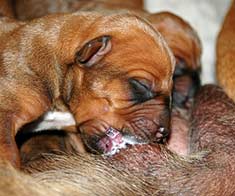
Dog Birth
HEALTHIn the third article of our dog pregnancy series, we look at the wonderful, but messy, process of bringing newborn puppies into the world.
Indoor Dog Potties
DOG PRODUCTSIt's been a long day at work. You were so busy, you didn't even take time to eat a sandwich, let alone run home to let your dog out. You're on your way home, knowing the poor dog is crossing his or her legs by now, when your car breaks down, delaying you even further. Can't somebody make this easier?
Your Dog’s Digestive System
PHYSIOLOGYEver wonder why your dog eats so fast? Or why he eats gross things? Or why he gets sick to his stomach? Or why his waste stinks so bad? Some of these things are normal, some are not.

Canine Respiratory System
BREATHINGThe basic function of your dog's respiratory system is to bring oxygen in to and remove carbon dioxide from the body. Knowing the symptoms of respiratory diseases can help you help your stay healthy.
Shelter Dog Adoption Tips for Success
ADOPTION Are you intimidated by the prospect of "rescuing" a dog from a shelter? One reason that you may be wary of adopting a dog from a shelter is not knowing how to choose. Adopting a dog from a shelter can be a rewarding process, if you're prepared to do a reasonable amount of research.
Canine Urinary Tract Infections
SYMPTOMS AND TREATMENTDoes your dog seem to be having trouble relieving his or her bladder? Learn how to recognize the signs of urinary tract infections and how to treat them before they spread.
What to do for Dog Diarrhea
SYMPTOMS AND REMEDIESIf you have dogs in your house for any length of time, you have likely experienced at least one bout of dog diarrhea. Beyond the pain in the tuckus involved in cleaning up the mess, you should know what causes diarrhea, and when it's important to see the vet.
What to do for a Dog Bite
DOG BEHAVIOR Getting bitten by a dog can be scary, and you may be tempted to run around in circles for a while, trying to figure out what to do. Here's our guide to help you manage the situation.
Top Ten Tips for Living with a Senior Dog
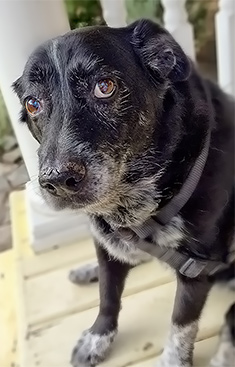
DOG HEALTH Bringing home a new puppy is so exciting, but it doesn’t take all that long for your exuberant puppy to grow into a senior dog who may have special needs. Here are the doggies.com top ten tips for taking care of your companion who has been with you through so much.