Soft Coated Wheaten Terrier Breed Guide
Soft Coated Wheaten Terrier – now that’s a mouthful! Known simply as Wheatons to those who love them, this farm dog is full of energy throughout his life. They were originally bred in Ireland as farm dogs and family companions, but their popularity has grown worldwide due to their affectionate nature. Most Wheatons are real people-lovers and must be carefully trained not to jump up and kiss everyone they meet.
The exact history of how Wheatens came into being is unknown, but they definitely were the dog of the common man. In 1698, King William III issued a decree that restricted the ownership of sporting and hunting dogs to the gentry, leaving terriers to those of lower socio-economic means. The law read, in part, “only persons owning an estate of freehold of the yearly value of 40 pounds, at least, or a personal estate of 1,000 pounds shall keep any hound, beagle, greyhound, or land-spaniel other than whelps under the age of twelve months.”
So, the Wheaten was developed as a general farm dog in the Irish counties of Munster. They protected people and their property, herded cattle, hunted vermin, badgers, and foxes, and were sometimes used as hunting dogs to help procure the family’s meals. The Soft Coated Wheaten likely shares a common heritage with the other long-legged terriers of Ireland, the Irish and the Kerry Blue. The breed was first brought to North America in the 1940s, and their popularity took off during the 1950s.
As terriers, Wheatens are attracted to anything that moves. They can jump straight up and will chase rabbits, squirrels, cars, small children, and anything else they decide to follow. Training a Wheaten takes consistent discipline, as they want to be the leader and are very stubborn about taking direction. This is not to say that you should be harsh in your training methods. Positive rewards and patience will train the dog to be submissive to your commands, but will allow the Wheaten to retain his exuberance and high spirits.
Training should begin while your Wheaten is still a puppy and has an overflowing desire to please you. Although an adult Wheaten weighs only 30 – 40 pounds, they are such bundles of energy that they can be harder to train than most breeds. It is essential that you harness that energy before the dog reaches full size.
The breed standard for the Soft Coated Wheaten Terrier states that the dog should measure 17 – 19 inches at the withers (shoulders) and “present the overall appearance of an alert and happy animal, graceful, strong, and well coordinated.” The outline of the dog is angular, with a square-ish body and rectangle-shaped head. The coat is what really sets this breed apart from all others. The Wheaten has a single coat of fur that is soft and silky with just a bit of wave. In a puppy, the characteristic wave may not yet be present, but should develop by two years of age. The wheaten color may range from cream to dark tan and must be the only color present. The only exception is a blue-gray color that may shade the ears and muzzle.
Puppies may appear red, brown, mahogany, or white, but these colors grow out as the dog matures. An interesting trait is that when an adult Wheaten sustains an injury to the skin, the new fur grows first in a puppy color and then changes to the characteristic wheaten color over time.
The Wheaten does not carry a lot of dander in his fur, and is considered hypoallergenic for humans. Like human hair, the Wheaten’s fur continues growing throughout its life and needs regular trimming and grooming. There is minimal shedding, making the dog a favorite for those who hate vacuuming every day.
Wheatens generally live to the ripe old age of 12, but like all dogs, they are susceptible to certain genetic diseases. Most notably, these include protein-losing nephropathy and protein-losing enteropathy. Both of these conditions cause the dog to shed excessive proteins from the blood, either through the kidneys (nephropathy) or through the intestinal tract (enteropathy). Dogs are usually diagnosed between 4 and 6 years of age, and the condition is more common in females. Symptoms include vomiting, diarrhea, weight loss, lethargy, decreased appetite, and fluid accumulation. The diagnosis is made by measuring the amount of protein in the blood, urine, and feces. All Wheatens should be regularly screened for these diseases, as they are often fatal. Treatment includes a hypoallergenic, low protein diet. Females should not be bred to avoid passing on the disease and to avoid the stress of pregnancy, as stress makes the condition worsen.

Doggies Den: Latest Articles
 Homemade Thanksgiving Treats for Your Dog
NUTRITION We all want to include our dogs in our holiday celebrations, but hopefully, you're aware that sharing table scraps with your dog isn't always the best idea.
 Keeping Your Dog Safe during the Summer Months
HEALTH Summer is coming on fast, so it’s time to plan how you will keep your dog safe and healthy through the lazy, carefree, warm days.
 Vaccination Time Again-Keeping Your Puppy Healthy
DOG HEALTH So you have your new puppy picked out. There are quite a few shots, treatments and examinations that will keep the newest member of your family healthy.
 Canine Thanksgiving Feast
NUTRITION With the wide variety of food at Thanksgiving dinner, chances are you'll want to give your dog something special, too. If you're contemplating what to feed your dog for the holiday, here is a guide to a great Canine Thanksgiving Feast.
 Dog Walking Tips Every Owner Should Know
DOG FUN Walking your dog is not only crucial to keeping him healthy and happy, it strengthens the bond between your canine friend and his caregiver. There are a lot of obstacles out there. Don’t forget these simple tips to keep your walk fun and safe in the outside world.
 The Benefits of Physiotherapy for your Dog
HEALTH The same techniques that physiotherapists use to treat a variety of injuries and conditions in humans have been adapted to suit animals with great success. Family pets, show dogs, and working dogs can all benefit greatly from physiotherapy. Dogs whose activities involve a lot of agility are especially susceptible to the types of problems that physiotherapy can address.
 The Decision- Adding a Dog to Your Family
FIRST TIME OWNERSBringing a dog into your family is a decision where many people don’t realize it’s magnitude until after they have the dog. There are a number of things that you need to research before you decide to purchase a dog, and it starts right in your own home.
 Bringing Your Dog Into Your New Baby's Life
HEALTH Many believe that a dog and a new baby cannot happily coexist, so therefore the dog has to go. This is not necessarily the case.  A new baby does not mean you have to abandon your dog.

Doggies Den:
Most Popular Articles

Dog Pregnancy Symptoms
HEALTHIf you suspect your dog might be pregnant, check out part one in this series on pregnant dogs, where we cover pregnant dog symptoms.
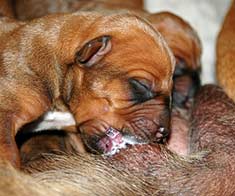
Dog Birth
HEALTHIn the third article of our dog pregnancy series, we look at the wonderful, but messy, process of bringing newborn puppies into the world.

Indoor Dog Potties
DOG PRODUCTSIt's been a long day at work. You were so busy, you didn't even take time to eat a sandwich, let alone run home to let your dog out. You're on your way home, knowing the poor dog is crossing his or her legs by now, when your car breaks down, delaying you even further. Can't somebody make this easier?
Your Dog’s Digestive System
PHYSIOLOGYEver wonder why your dog eats so fast? Or why he eats gross things? Or why he gets sick to his stomach? Or why his waste stinks so bad? Some of these things are normal, some are not.

Canine Respiratory System
BREATHINGThe basic function of your dog's respiratory system is to bring oxygen in to and remove carbon dioxide from the body. Knowing the symptoms of respiratory diseases can help you help your stay healthy.
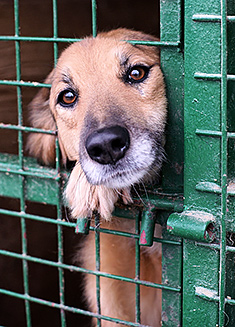
Shelter Dog Adoption Tips for Success
ADOPTION Are you intimidated by the prospect of "rescuing" a dog from a shelter? One reason that you may be wary of adopting a dog from a shelter is not knowing how to choose. Adopting a dog from a shelter can be a rewarding process, if you're prepared to do a reasonable amount of research.
Canine Urinary Tract Infections
SYMPTOMS AND TREATMENTDoes your dog seem to be having trouble relieving his or her bladder? Learn how to recognize the signs of urinary tract infections and how to treat them before they spread.

What to do for Dog Diarrhea
SYMPTOMS AND REMEDIESIf you have dogs in your house for any length of time, you have likely experienced at least one bout of dog diarrhea. Beyond the pain in the tuckus involved in cleaning up the mess, you should know what causes diarrhea, and when it's important to see the vet.

What to do for a Dog Bite
DOG BEHAVIOR Getting bitten by a dog can be scary, and you may be tempted to run around in circles for a while, trying to figure out what to do. Here's our guide to help you manage the situation.
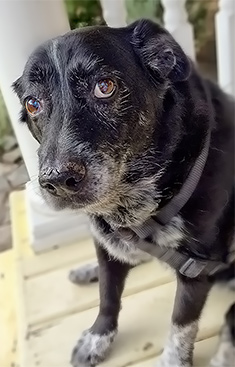
Top Ten Tips for Living with a Senior Dog
DOG HEALTH Bringing home a new puppy is so exciting, but it doesn’t take all that long for your exuberant puppy to grow into a senior dog who may have special needs. Here are the doggies.com top ten tips for taking care of your companion who has been with you through so much.