The Terrier Group
Feisty. Bold. Determined. All of these words describe the dogs of the terrier group. Ranging in size from the tiny Dandie Dinmont to the extra-large Airedale, there are 27 terriers in this American Kennel Club grouping.
What are the origins of the terrier group?
Terriers were originally bred to kill vermin, keeping farms, coal mines, and homes safe from rodents and other pests. They will chase nearly anything that moves, following small animals into their dens. In fact, the word "terrier" derives from the Latin "terra", meaning earth or land.
Terriers are prodigious diggers and will tunnel into the ground after any prey including badgers, foxes, rabbits and rats. These dogs are primarily land hunters, although the Kerry Blue and the Airedale will chase otter and river rats in the water.
Most terriers were developed in Great Britain, with many of the individual breed names reflecting their place of origin. The Scottie, the Westhighland White, the Welsh, and the Manchester are all examples of terrier breeds named for their birthplace.
Early on, some terriers were cross bred with bull-baiting dogs to use in pit fighting. These terriers are known as bully breeds including the Bull Terrier and the Staffordshire Bull Terrier. How would you describe a terrier's personality?
Probably the best word is feisty. The terrier is very energetic and determined. He cannot easily be called off his prey. These dogs do not get along well with other pets nor with children. Anything that moves may be considered fair game, and these dogs often don't know they are size-challenged. Even the smallest terrier will stand up to much larger dogs and try to assert their dominance.
Those who would try to live with a terrier must be determined and consistent in providing obedience training and continual socialization to people and other animals. Although these dogs are still used for hunting, they are also popular as house pets due to their small size. It is vital that house terriers understand that they are not in charge and are not required to chase or hunt down prey. Their head-strong personality makes them somewhat harder to train than many other breeds.
Most terriers are very playful and enjoy a good romp outside in all kinds of weather. They are highly intelligent and social, spending their down time sitting close to, if not on, their human companions. Left alone for too long, terriers may become destructive with excessive digging and chewing.
Are there health concerns specific to terriers?
Most terriers live long lives, often exceeding 12 - 14 years. However, they can have trouble whelping puppies and a blood disorder known as von Willebrand's disease can afflict some of the breeds.
Von Willebrand's changes the physical properties of the blood platelets, making it tough for the blood to clot after an injury. Although the disease can be treated, there is no known cure. Care must be taken to stay away from medications such as aspirin, antihistamines, and penicillin, that further interfere with blood clotting. Airedales commonly get a mild form of the condition, while Scotties generally get the most severe form.
Probably the biggest health hazard to terriers is a direct result of their heritage. When engaged in chasing prey, these dogs are likely to run out into traffic. They get so absorbed in the fun of the hunt, they forget to listen to commands and do not remain aware of other things going on in their environment. Because of this proclivity, as well as because of their aggressiveness toward children and other dogs, terriers should always be kept on a leash or inside a fence.
What are the most popular terriers?
Although the Yorkshire Terrier sounds like it should be included in the terrier group, they are actually a part of the Toy Group, as determined by the American Kennel Club. This 2nd most popular dog of 2008 will not be considered here. Similarly, the Boston Terrier (number 17 on the overall list) is a part of the non-working group even though he carries the name of terrier.
The most popular of the dogs included in the terrier group is the Miniature Schnauzer, which ranks number 11 when compared to all breeds. Next in popularity is the West Highland White Terrier (#34), followed by the Scottish Terrier (#47), the Cairn Terrier (#49), and the Bull Terrier (#55). Rounding out the top ten are the Airedale Terrier (#56), the Soft Coated Wheaten Terrier (#58), the American Staffordshire Terrier (#69), the Staffordshire Bull Terrier ((#76), and the Border Terrier (#78). All of these rankings are based on 2008 registrations received by the American Kennel Club.
How is a terrier groomed?
Most terriers carry a stiff, wiry coat that requires stripping to remove dead hair and maintain the proper texture. When the dog starts to blow his or her coat due to the change in seasons, you should also strip the coat. The process of stripping is roughly the same as curling a package ribbon with the blade of a pair of scissors. Holding a small amount of hair against a stripping knife blade, you simply pull the blade straight out in the direction in which it grows.
You can strip your dog at home, or have a professional groomer do it for you, but it is more expensive than conventional grooming. If you don't plan on showing your terrier, you may consider just clipping the coat in a puppy cut to keep it neat and clean. Clipping often changes the fur color and makes the hair softer, which is a no-no for the show ring.
Tips for hunting with your terrier
If you plan on hunting your dog, you must make sure the dog is capable of fitting into the animal dens he is likely to encounter. In most cases, this means the dog must have a chest span of no more than 14 inches, equivalent to that of a red fox or raccoon. If your dog is bigger than this, he may get stuck in the hole and injured by his prey.
To check your dog's span, stand behind him or her (but make sure he or she knows you're there so you don't startle the dog). Place your fingers along the breast bone in the center of the chest and wrap your hands around the dog, just behind his forelegs. Your thumbs should meet along the dog's spine if you have "average" sized hands. (One average-sized hand will almost wrap around a soda pop can.)
According to TerrierMan.com (link to http://www.terrierman.com/mistakes.htm), there are several common mistakes made when hunting with terriers. To avoid making these mistakes, follow these rules:
- Make sure your dog has a locator collar, and that it is protected from the elements by electrical tape. Also, check the batteries in both the collar and the locator box.
- Don't allow your dog to go into un-diggable areas such as hardpacked floors or stone cliffs.
- Keep the noise down to allow your dog to flush out prey rather than having your dog corner the prey and forcing you to dig into the hole. Also, don't let two dogs go to ground in the same sette. The rear dog may block the front dog from escaping when the prey fights back.
- Don't let your dog chase a skunk or porcupine, for obvious reasons. Did you know that the chemicals in skunk spray, when concentrated in a den, can cause the dog's red blood cells to burst?
- Teach your dog to obey your obedience commands so you don't lose him while in the field. Train your dog to hunt using small prey first, and allow him or her to build up to larger, more difficult animals.
- Always keep a first aid kit on hand when you hunt so you can treat any wounds your dog might receive from a wild animal. If your dog is bitten or scratched, you should flush out the wound with clean bottled water, apply an antibiotic cream, and dress the wound. Puncture wounds should not be stitched, and lacerations should be loosely closed, leaving a drain hole to allow seepage.
Is a terrier right for me?
If you are involved in hunting small animals, the terrier group is best positioned to be your assistant. For house pets, terriers are best in homes with no children or other pets, although they can be socialized to nearly any environment. If you will be diligent in keeping your dog fenced or leashed, the terrier can be a great playmate and companion. However, if you don't have the time to properly train and socialize a stubborn, energetic dog, the terrier should probably not be your first choice.

Doggies Den: Latest Articles
 Homemade Thanksgiving Treats for Your Dog
NUTRITION We all want to include our dogs in our holiday celebrations, but hopefully, you're aware that sharing table scraps with your dog isn't always the best idea.
 Keeping Your Dog Safe during the Summer Months
HEALTH Summer is coming on fast, so it’s time to plan how you will keep your dog safe and healthy through the lazy, carefree, warm days.
 Vaccination Time Again-Keeping Your Puppy Healthy
DOG HEALTH So you have your new puppy picked out. There are quite a few shots, treatments and examinations that will keep the newest member of your family healthy.
 Canine Thanksgiving Feast
NUTRITION With the wide variety of food at Thanksgiving dinner, chances are you'll want to give your dog something special, too. If you're contemplating what to feed your dog for the holiday, here is a guide to a great Canine Thanksgiving Feast.
 Dog Walking Tips Every Owner Should Know
DOG FUN Walking your dog is not only crucial to keeping him healthy and happy, it strengthens the bond between your canine friend and his caregiver. There are a lot of obstacles out there. Don’t forget these simple tips to keep your walk fun and safe in the outside world.
 The Benefits of Physiotherapy for your Dog
HEALTH The same techniques that physiotherapists use to treat a variety of injuries and conditions in humans have been adapted to suit animals with great success. Family pets, show dogs, and working dogs can all benefit greatly from physiotherapy. Dogs whose activities involve a lot of agility are especially susceptible to the types of problems that physiotherapy can address.
 The Decision- Adding a Dog to Your Family
FIRST TIME OWNERSBringing a dog into your family is a decision where many people don’t realize it’s magnitude until after they have the dog. There are a number of things that you need to research before you decide to purchase a dog, and it starts right in your own home.
 Bringing Your Dog Into Your New Baby's Life
HEALTH Many believe that a dog and a new baby cannot happily coexist, so therefore the dog has to go. This is not necessarily the case. A new baby does not mean you have to abandon your dog.

Doggies Den:
Most Popular Articles

Dog Pregnancy Symptoms
HEALTHIf you suspect your dog might be pregnant, check out part one in this series on pregnant dogs, where we cover pregnant dog symptoms.
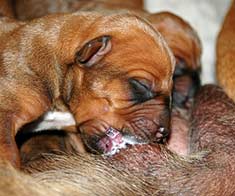
Dog Birth
HEALTHIn the third article of our dog pregnancy series, we look at the wonderful, but messy, process of bringing newborn puppies into the world.

Indoor Dog Potties
DOG PRODUCTSIt's been a long day at work. You were so busy, you didn't even take time to eat a sandwich, let alone run home to let your dog out. You're on your way home, knowing the poor dog is crossing his or her legs by now, when your car breaks down, delaying you even further. Can't somebody make this easier?
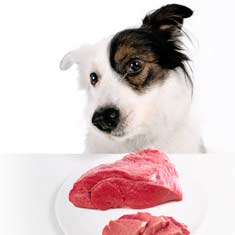
Your Dog’s Digestive System
PHYSIOLOGYEver wonder why your dog eats so fast? Or why he eats gross things? Or why he gets sick to his stomach? Or why his waste stinks so bad? Some of these things are normal, some are not.

Canine Respiratory System
BREATHINGThe basic function of your dog's respiratory system is to bring oxygen in to and remove carbon dioxide from the body. Knowing the symptoms of respiratory diseases can help you help your stay healthy.
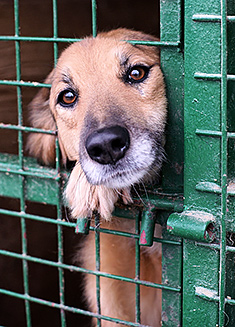
Shelter Dog Adoption Tips for Success
ADOPTION Are you intimidated by the prospect of "rescuing" a dog from a shelter? One reason that you may be wary of adopting a dog from a shelter is not knowing how to choose. Adopting a dog from a shelter can be a rewarding process, if you're prepared to do a reasonable amount of research.
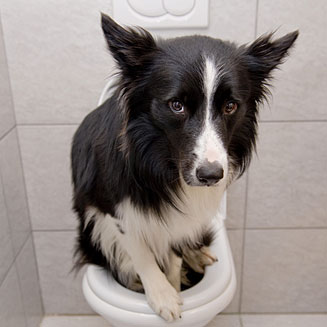
Canine Urinary Tract Infections
SYMPTOMS AND TREATMENTDoes your dog seem to be having trouble relieving his or her bladder? Learn how to recognize the signs of urinary tract infections and how to treat them before they spread.
What to do for Dog Diarrhea
SYMPTOMS AND REMEDIESIf you have dogs in your house for any length of time, you have likely experienced at least one bout of dog diarrhea. Beyond the pain in the tuckus involved in cleaning up the mess, you should know what causes diarrhea, and when it's important to see the vet.
What to do for a Dog Bite
DOG BEHAVIOR Getting bitten by a dog can be scary, and you may be tempted to run around in circles for a while, trying to figure out what to do. Here's our guide to help you manage the situation.
Top Ten Tips for Living with a Senior Dog
DOG HEALTH Bringing home a new puppy is so exciting, but it doesn’t take all that long for your exuberant puppy to grow into a senior dog who may have special needs. Here are the doggies.com top ten tips for taking care of your companion who has been with you through so much.