Japanese Spitz Breed Guide
Whether you know this breed as the Nihon Supittsu, the Miniature Samoyed, or the Japanese Spitz, you will fall in love with the lively little white dog as soon as you meet one in person. The dog is similar in appearance to the Pomeranian, the American Eskimo Dog and the Samoyed. So similar, in fact, that the American Kennel Club does not recognize the Japanese Spitz as a separate breed. The majority of kennel clubs internationally, however, do recognize the breed.
What does a Japanese Spitz dog look like?
The Japanese Spitz was developed by breeding several other Spitz type dogs together, so no surprise, it looks very similar to some of these dogs. The fur is always pure white, and the tail curls up over the dog’s body in the telltale sign of a spitz breed.
Although the different kennel clubs have different standards for size, the Japanese Spitz is always expected to be slightly bigger than the Pomeranian and smaller than the Samoyed, measuring about 12 - 16 inches at the shoulder and weighing about 15 - 20 pounds.
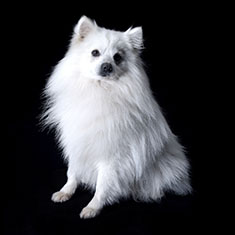
The muzzle is somewhat pointed on a wedge-shaped face, and the small triangular ears stand up. The nose, lips, eye rims, foot pads and toenails are black, and the oval-shaped eyes are dark, in contrast to the bright white coat.
The thick white double coat includes a soft inner layer covered by an outer coat that stands out away from the body. The really cool thing about the Japanese Spitz coat is that very little sticks to it. In fact, it is sometimes compared to Teflon. If your dog takes a roll in the mud, he or she will likely lay in the sun to dry out, and when totally dry, the dirt will mostly fall off of the fur. A quick brushing will remove any stray remaining dirt, restoring the dog’s pure white coat. These dogs need infrequent baths and typically do not carry any dog odor because of their non-stick fur.
Is the Japanese Spitz a healthy breed?
Despite its relatively recent (1920’s) origins and somewhat limited gene pool, the Japanese Spitz is remarkably healthy with very few genetic problems.
The only major defect seen in this breed is patellar luxation, where the kneecap dislocates out of its normal position. This defect is no more or less common in the Japanese Spitz than in most other small and miniature dog breeds. Breeders should work to exclude dogs from their breeding stock if they have ever had a litter where the puppies developed patellar luxation. In addition, all potential breeding dogs should be vet checked for looseness in the knee joints before the dog is bred for the first time.
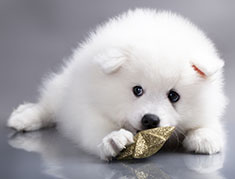
The other health problem seen in this breed is the relatively minor cosmetic issue of runny eyes and tear staining. This is typically caused by smaller-than-required tear ducts which don’t drain the eyes adequately. Alternatively, it can be due to stress or allergies. Many times, the problem will go away on its own after puppyhood.
Most Japanese Spitz dogs live 12 – 16 years, with weight control being a major contributor to longevity.
What temperament should I expect from a Japanese Spitz?
These dogs are highly sociable and want nothing more than to be the littlest member of your family. They love children and other dogs, and will typically get along with other pets in the home as well. Because they are anxious to please you, they are generally easy to train with positive rewards for a job well done.
The Japanese Spitz likes to go for walks, but requires very little exercise. Walking appears to be just a social event for them, not a daily requirement to prevent boredom and to stretch out major muscles.
These little dogs can serve as the family’s watch dog, as their alert and inquisitive nature will lead them to bark when strangers are about. However, they will not guard your property. It’s just not in them to intimidate intruders. Their protective nature may lead them to place themselves between a child and a perceived threat, but they’re not that hard to overcome if someone really wants to get at the child.
Is it hard to care for a Japanese Spitz?
Don’t be intimidated by the beautiful white coat. The dog mostly takes care of keeping him or herself clean. Like a cat, the Japanese Spitz will lick off dirt soon after encountering it.
You will probably brush out the coat twice a week, and bathe the dog every 2 – 3 months. Frequent bathing dries out the skin and fur, removing the oils that are essential to a shiny coat.
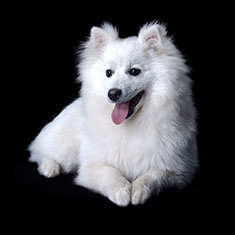
Be prepared for the dog to blow his or her coat twice annually, in the spring and fall. Molting lasts about a week, and brushing daily or even more often during this time will help you control the amount of fur that gathers under your bed and in the corners of your rooms.
The coat should never be shaved as the double coat insulates the dog in winter and allows cooler air to circulate near the skin in warmer weather.
Tear stains do not have to be removed, but if you wish to, you may wipe around the dog’s eyes with a cloth moistened with warm water, lemon juice or saline solution. There are also commercial products available. A homemade version includes equal amounts of milk of magnesia and peroxide, thickened to a paste with cornstarch. The mixture is massaged into the fur around the dog’s eyes, then allowed to dry. It is rinsed out with warm water or wiped off with a wet cloth. Some enthusiasts encourage adding a teaspoon of cider vinegar to the dog’s water dish each day to increase the pH, which discourages micro-organisms from worsening the tear stains.
Is the Japanese Spitz the right dog for my family?
Shannon Watherston, a breeder from Queensland, Australia, has this to say about her beloved “white wonder” dogs: “It is a common occurrence that people who have had a Japanese Spitz as a pet are no longer able to find satisfaction with any other breed.”
If you’re looking for a great companion dog who is excellent with children and other dogs, is easy to groom, and has low exercise requirements, this may be the breed for you. However, if your budget is tight, you should be aware that this somewhat rare breed may cost as much as $1,500 for a healthy, well-bred puppy.

Doggies Den: Latest Articles
 Homemade Thanksgiving Treats for Your Dog
NUTRITION We all want to include our dogs in our holiday celebrations, but hopefully, you're aware that sharing table scraps with your dog isn't always the best idea.
 Keeping Your Dog Safe during the Summer Months
HEALTH Summer is coming on fast, so it’s time to plan how you will keep your dog safe and healthy through the lazy, carefree, warm days.
 Vaccination Time Again-Keeping Your Puppy Healthy
DOG HEALTH So you have your new puppy picked out. There are quite a few shots, treatments and examinations that will keep the newest member of your family healthy.
 Canine Thanksgiving Feast
NUTRITION With the wide variety of food at Thanksgiving dinner, chances are you'll want to give your dog something special, too. If you're contemplating what to feed your dog for the holiday, here is a guide to a great Canine Thanksgiving Feast.
 Dog Walking Tips Every Owner Should Know
DOG FUN Walking your dog is not only crucial to keeping him healthy and happy, it strengthens the bond between your canine friend and his caregiver. There are a lot of obstacles out there. Don’t forget these simple tips to keep your walk fun and safe in the outside world.
 The Benefits of Physiotherapy for your Dog
HEALTH The same techniques that physiotherapists use to treat a variety of injuries and conditions in humans have been adapted to suit animals with great success. Family pets, show dogs, and working dogs can all benefit greatly from physiotherapy. Dogs whose activities involve a lot of agility are especially susceptible to the types of problems that physiotherapy can address.
 The Decision- Adding a Dog to Your Family
FIRST TIME OWNERSBringing a dog into your family is a decision where many people don’t realize it’s magnitude until after they have the dog. There are a number of things that you need to research before you decide to purchase a dog, and it starts right in your own home.
 Bringing Your Dog Into Your New Baby's Life
HEALTH Many believe that a dog and a new baby cannot happily coexist, so therefore the dog has to go. This is not necessarily the case.  A new baby does not mean you have to abandon your dog.

Doggies Den:
Most Popular Articles

Dog Pregnancy Symptoms
HEALTHIf you suspect your dog might be pregnant, check out part one in this series on pregnant dogs, where we cover pregnant dog symptoms.
Dog Birth
HEALTHIn the third article of our dog pregnancy series, we look at the wonderful, but messy, process of bringing newborn puppies into the world.

Indoor Dog Potties
DOG PRODUCTSIt's been a long day at work. You were so busy, you didn't even take time to eat a sandwich, let alone run home to let your dog out. You're on your way home, knowing the poor dog is crossing his or her legs by now, when your car breaks down, delaying you even further. Can't somebody make this easier?
Your Dog’s Digestive System
PHYSIOLOGYEver wonder why your dog eats so fast? Or why he eats gross things? Or why he gets sick to his stomach? Or why his waste stinks so bad? Some of these things are normal, some are not.

Canine Respiratory System
BREATHINGThe basic function of your dog's respiratory system is to bring oxygen in to and remove carbon dioxide from the body. Knowing the symptoms of respiratory diseases can help you help your stay healthy.
Shelter Dog Adoption Tips for Success
ADOPTION Are you intimidated by the prospect of "rescuing" a dog from a shelter? One reason that you may be wary of adopting a dog from a shelter is not knowing how to choose. Adopting a dog from a shelter can be a rewarding process, if you're prepared to do a reasonable amount of research.
Canine Urinary Tract Infections
SYMPTOMS AND TREATMENTDoes your dog seem to be having trouble relieving his or her bladder? Learn how to recognize the signs of urinary tract infections and how to treat them before they spread.
What to do for Dog Diarrhea
SYMPTOMS AND REMEDIESIf you have dogs in your house for any length of time, you have likely experienced at least one bout of dog diarrhea. Beyond the pain in the tuckus involved in cleaning up the mess, you should know what causes diarrhea, and when it's important to see the vet.
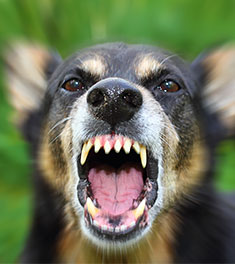
What to do for a Dog Bite
DOG BEHAVIOR Getting bitten by a dog can be scary, and you may be tempted to run around in circles for a while, trying to figure out what to do. Here's our guide to help you manage the situation.
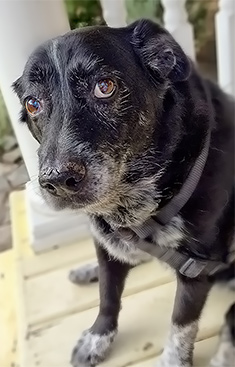
Top Ten Tips for Living with a Senior Dog
DOG HEALTH Bringing home a new puppy is so exciting, but it doesn’t take all that long for your exuberant puppy to grow into a senior dog who may have special needs. Here are the doggies.com top ten tips for taking care of your companion who has been with you through so much.