Wire Fox Terrier Breed Guide
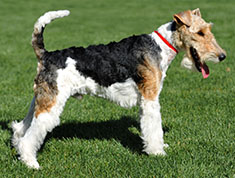
If you’ve ever seen the classic “Thin Man” movies, you might remember Asta, played by Skippy. Although in the book, Asta was a Schnauzer, in the movies, he was a Wire Fox Terrier. If you’re not familiar with The Thin Man, all you need as a reminder of what a Wire Fox looks like is to have seen Sky, the winner of the 2014 Westminster show. This makes the 14th time a Wire Fox has won it all at Westminster, more than any other breed.
History of the Wire Fox Terrier
Although the Wire Fox bears a resemblance to the Smooth Fox Terrier, they are believed to have been developed separately. The Wire coated variety was developed in the British Isles in the 17th century, a descendant of the rough-coated black and tan terrier. As the name implies, the Wire Fox Terriers’ raison d’etre was to assist in fox hunts. Unlike hounds that chase the prey, the Wire Fox would spend most of the hunt in the hunter’s saddlebags until the quarry went underground. Like all terriers, the Wire Fox chases his quarry when they go underground, cornering foxes and other small game in their dens. The short, docked tail is used to pull the dog back out of the den when the hunter arrives because they will never give up and leave on their own.
What is the breed standard for the Wire Fox Terrier?
The American Kennel Club’s breed standard describes the Wire Fox Terrier as “alert, quick of movement, keen of expression, and on the tip-toe of expectation at the slightest provocation.” The keen expression is especially shown in the dark, small eyes which are said to be full of fire, life and intelligence.
Physically, this terrier is a bit larger than some of his terrier compatriots. The Wire Fox stands as tall, measuring 15-1/2 inches tall at the shoulder, and weighs between 15 and 19 pounds.
The dense, wiry fur is composed of closely packed, twisted hair resembling coconut matting. This course outercoat covers a soft, downy undercoat. The color of the coat isn’t a defining factor in the breed standard, although white should be the predominant color. The most typical coloring is white with a black saddle and brown markings on the face and ears.
Temperament of the Wire Fox Terrier
The distinguishing traits of the Wire Fox, as for most terriers, are energy and intelligence. These dogs crave companionship, and are not happy being left alone for long periods of time. Their unhappiness can spill over into terrible behaviors such as digging, barking, and general destruction of your home. If you must be away from your Wire Fox Terrier, be sure to leave behind plenty of toys to keep him both physically and mentally stimulated if you hope to return to a home that is still standing.
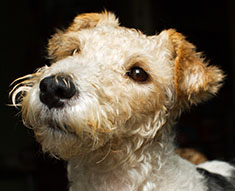
Wire Fox Terriers should be friendly and playful. They usually enjoy swimming and are terrific at catching vermin, should you have a need for that. That love of the chase can get them in trouble, though. You must make sure to have a secure fence to keep them from chasing bikes, cars, small children, and the family cat.
Continual obedience training can help, but will never totally overcome the prey drive that keeps these animals in constant motion. Early socialization is required if the Wire Fox will be living with cats or other small household pets to reinforce the lesson that everyone is part of the family, not prey.
They are intelligent enough that you’d think they would be trained fairly easily, but they are stubborn enough to require a firm and consistent trainer. Wire Fox Terriers are especially competent in agility and fly ball competitions, as well as in digging up the family garden.
Like most smaller dogs, Wire Fox Terriers often forget they could get hurt when playing with big dogs, so some supervision is needed at the dog park or on play dates with larger animals. If they can go toe-to-toe with a snapping fox, they are really not going to have much problem facing down anyone, and they don’t realize they could get hurt by trying.
After a hard day of play, your Wire Fox will be perfectly happy to warm your lap in the evening or snuggle under the covers overnight. As long as they are by your side, they are going to be happy.
Grooming a Wire Fox Terrier
If you are keeping a Wire Fox Terrier as a pet or a hunter, you will probably deal with grooming needs by having the dog clipped every month or so. However, if you are showing your dog, you will need to hand strip the coat several times a year to preserve its colors and glossiness. Clipping results in curls, which are not acceptable in the show ring. Clipping also dulls the distinctive coloring of your dog. Hand stripping takes out the dead hair, leaving behind the proper texture for the show ring.
Hand stripping involves pulling out the dead hair, as would happen naturally in the wild when terriers run through underbrush in search of their quarry. The Wire Fox does not naturally shed to get rid of excess hair, so the fur must be pulled out, either by brambles or by a groomer or family member. Weekly brushing and combing will keep the fur from becoming tangled.
Is the Wire Fox Terrier a healthy breed?
Like most Terriers, the Wire Fox generally lives 13 – 14 years. There are no breed-specific health problems, although as with any breed, individual dogs may suffer from any canine illness.
Is the Wire Fox Terrier the right breed for my family?
If you want a fun-loving companion with high energy and low shedding, this may be the breed for you. However, if you cannot spend a lot of time home with your dog or you are daunted by the prospect of trying to train a dynamo, you might look for other breeds to better fit your lifestyle.

Doggies Den: Latest Articles
 Homemade Thanksgiving Treats for Your Dog
NUTRITION We all want to include our dogs in our holiday celebrations, but hopefully, you're aware that sharing table scraps with your dog isn't always the best idea.
 Keeping Your Dog Safe during the Summer Months
HEALTH Summer is coming on fast, so it’s time to plan how you will keep your dog safe and healthy through the lazy, carefree, warm days.
 Vaccination Time Again-Keeping Your Puppy Healthy
DOG HEALTH So you have your new puppy picked out. There are quite a few shots, treatments and examinations that will keep the newest member of your family healthy.
 Canine Thanksgiving Feast
NUTRITION With the wide variety of food at Thanksgiving dinner, chances are you'll want to give your dog something special, too. If you're contemplating what to feed your dog for the holiday, here is a guide to a great Canine Thanksgiving Feast.
 Dog Walking Tips Every Owner Should Know
DOG FUN Walking your dog is not only crucial to keeping him healthy and happy, it strengthens the bond between your canine friend and his caregiver. There are a lot of obstacles out there. Don’t forget these simple tips to keep your walk fun and safe in the outside world.
 The Benefits of Physiotherapy for your Dog
HEALTH The same techniques that physiotherapists use to treat a variety of injuries and conditions in humans have been adapted to suit animals with great success. Family pets, show dogs, and working dogs can all benefit greatly from physiotherapy. Dogs whose activities involve a lot of agility are especially susceptible to the types of problems that physiotherapy can address.
 The Decision- Adding a Dog to Your Family
FIRST TIME OWNERSBringing a dog into your family is a decision where many people don’t realize it’s magnitude until after they have the dog. There are a number of things that you need to research before you decide to purchase a dog, and it starts right in your own home.
 Bringing Your Dog Into Your New Baby's Life
HEALTH Many believe that a dog and a new baby cannot happily coexist, so therefore the dog has to go. This is not necessarily the case.  A new baby does not mean you have to abandon your dog.

Doggies Den:
Most Popular Articles

Dog Pregnancy Symptoms
HEALTHIf you suspect your dog might be pregnant, check out part one in this series on pregnant dogs, where we cover pregnant dog symptoms.
Dog Birth
HEALTHIn the third article of our dog pregnancy series, we look at the wonderful, but messy, process of bringing newborn puppies into the world.

Indoor Dog Potties
DOG PRODUCTSIt's been a long day at work. You were so busy, you didn't even take time to eat a sandwich, let alone run home to let your dog out. You're on your way home, knowing the poor dog is crossing his or her legs by now, when your car breaks down, delaying you even further. Can't somebody make this easier?
Your Dog’s Digestive System
PHYSIOLOGYEver wonder why your dog eats so fast? Or why he eats gross things? Or why he gets sick to his stomach? Or why his waste stinks so bad? Some of these things are normal, some are not.

Canine Respiratory System
BREATHINGThe basic function of your dog's respiratory system is to bring oxygen in to and remove carbon dioxide from the body. Knowing the symptoms of respiratory diseases can help you help your stay healthy.
Shelter Dog Adoption Tips for Success
ADOPTION Are you intimidated by the prospect of "rescuing" a dog from a shelter? One reason that you may be wary of adopting a dog from a shelter is not knowing how to choose. Adopting a dog from a shelter can be a rewarding process, if you're prepared to do a reasonable amount of research.
Canine Urinary Tract Infections
SYMPTOMS AND TREATMENTDoes your dog seem to be having trouble relieving his or her bladder? Learn how to recognize the signs of urinary tract infections and how to treat them before they spread.
What to do for Dog Diarrhea
SYMPTOMS AND REMEDIESIf you have dogs in your house for any length of time, you have likely experienced at least one bout of dog diarrhea. Beyond the pain in the tuckus involved in cleaning up the mess, you should know what causes diarrhea, and when it's important to see the vet.
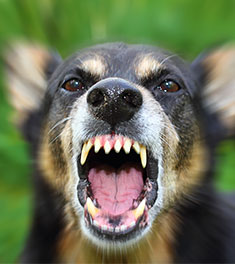
What to do for a Dog Bite
DOG BEHAVIOR Getting bitten by a dog can be scary, and you may be tempted to run around in circles for a while, trying to figure out what to do. Here's our guide to help you manage the situation.
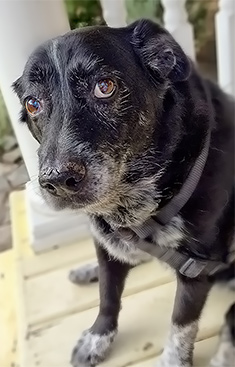
Top Ten Tips for Living with a Senior Dog
DOG HEALTH Bringing home a new puppy is so exciting, but it doesn’t take all that long for your exuberant puppy to grow into a senior dog who may have special needs. Here are the doggies.com top ten tips for taking care of your companion who has been with you through so much.