Small, Sturdy and Smart – The Miniature Schnauzer
Although the Miniature Schnauzer wasn’t originally intended as a companion dog, this terrier-like breed turned out to be perfect for just about anyone looking for a little buddy.
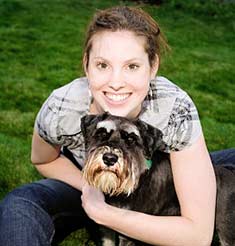
Perfectly Lap-Sized
Not only is the size of this dog just right for a lap, the easy-going Mini can adapt to many different situations — from a rural setting to an urban apartment. It also has a distinct advantage as one of the few dogs that does not shed. Currently, it’s the 11th most popular breed in the United States.
Smaller Cousin of Standard and Giant
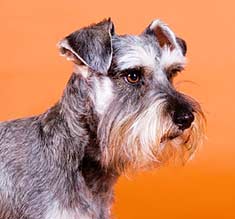
Square and sturdy, the Miniature Schnauzer sports a bushy beard and eyebrows like its larger cousins, the standard and giant schnauzers. The Mini was first recognized as a separate breed in Germany in the late 1800s and has been in the United States since 1925. Typically between 11 and 20 pounds and from 12 to 14 inches tall at the withers, Minis can be found in several color schemes: black, white, black and silver, and salt-and-pepper.
In past decades, the Mini’s ears were cropped to a point and its tail docked; these days, this is still the case for show dogs. However, you’ll often see family Minis left “natural,” with floppy ears and longer tail.
Superior Sniffers
Originally bred as stable watchdogs and ratters, the intelligence and personality of Minis soon earned them a place inside the home. The word schnauzer is German for nose or snout, an appropriate name, since they have excellent noses for sniffing out vermin. Some airports now use Miniature Schnauzers as drug-sniffing dogs.
Small, But Not Too Small
Although Minis are small, they’re not so tiny that they might get squashed. They are just the right size to easily travel in a car. Although energetic, Minis are not as hyper as some similar-sized breeds, and their need for daily exercise can be satisfied with a brisk walk and some indoor play.
Charming Individuals
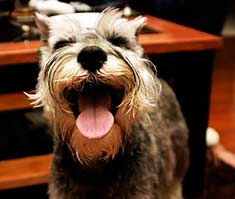
Miniature Schnauzers often have endearing, very individual personalities. Intelligent and loving, they are easy to train, but also require regular attention and exercise to be happy. If socialized with people and other dogs, they’ll get along in all kinds of situations, and are generally good with children.
Effective Watchdogs
They make great watchdogs, and will often hear a visitor’s approach long before the owner does. Sometimes excessive barking at visitors is a problem, but one that can be corrected with time and consistent discipline. Minis will happily catch rats and mice if given the chance. A strong digging instinct may have to be curbed, however, if that is a problem for owners.
Minis can do well in obedience and agility competitions, if properly trained; they are also eligible for Earthdog competitions and can excel at them.
Grooming
Although Miniature Schnauzers don’t shed, regular trimming is needed to keep them looking their best, since the coat can easily get matted and tangled without daily brushing. They are shorn short on the body, and the leg hair, or “furnishings,” is left long. The face is clipped to emphasize the beard and eyebrows.
Health Concerns
Minis live to be about 15 years old, and as a breed, have few health problems. They like to eat, and often gain weight easily, which may be a concern for less active dogs. Minis can also develop diabetes, pancreatitis or bladder stones.
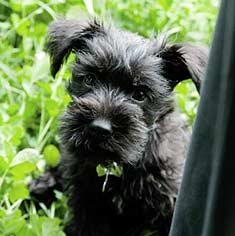
When purchasing a Miniature Schnauzer, buyers should ask about temperament as well as any potential health concerns. In the case of puppies, it’s helpful to meet the parents to see what their personalities are like.
Spirited yet gentle, playful and smart — your Miniature Schnauzer can be a devoted companion for many years to come.

Doggies Den: Latest Articles
 Homemade Thanksgiving Treats for Your Dog
NUTRITION We all want to include our dogs in our holiday celebrations, but hopefully, you're aware that sharing table scraps with your dog isn't always the best idea.
 Keeping Your Dog Safe during the Summer Months
HEALTH Summer is coming on fast, so it’s time to plan how you will keep your dog safe and healthy through the lazy, carefree, warm days.
 Vaccination Time Again-Keeping Your Puppy Healthy
DOG HEALTH So you have your new puppy picked out. There are quite a few shots, treatments and examinations that will keep the newest member of your family healthy.
 Canine Thanksgiving Feast
NUTRITION With the wide variety of food at Thanksgiving dinner, chances are you'll want to give your dog something special, too. If you're contemplating what to feed your dog for the holiday, here is a guide to a great Canine Thanksgiving Feast.
 Dog Walking Tips Every Owner Should Know
DOG FUN Walking your dog is not only crucial to keeping him healthy and happy, it strengthens the bond between your canine friend and his caregiver. There are a lot of obstacles out there. Don’t forget these simple tips to keep your walk fun and safe in the outside world.
 The Benefits of Physiotherapy for your Dog
HEALTH The same techniques that physiotherapists use to treat a variety of injuries and conditions in humans have been adapted to suit animals with great success. Family pets, show dogs, and working dogs can all benefit greatly from physiotherapy. Dogs whose activities involve a lot of agility are especially susceptible to the types of problems that physiotherapy can address.
 The Decision- Adding a Dog to Your Family
FIRST TIME OWNERSBringing a dog into your family is a decision where many people don’t realize it’s magnitude until after they have the dog. There are a number of things that you need to research before you decide to purchase a dog, and it starts right in your own home.
 Bringing Your Dog Into Your New Baby's Life
HEALTH Many believe that a dog and a new baby cannot happily coexist, so therefore the dog has to go. This is not necessarily the case.  A new baby does not mean you have to abandon your dog.

Doggies Den:
Most Popular Articles
Dog Pregnancy Symptoms
HEALTHIf you suspect your dog might be pregnant, check out part one in this series on pregnant dogs, where we cover pregnant dog symptoms.
Dog Birth
HEALTHIn the third article of our dog pregnancy series, we look at the wonderful, but messy, process of bringing newborn puppies into the world.
Indoor Dog Potties
DOG PRODUCTSIt's been a long day at work. You were so busy, you didn't even take time to eat a sandwich, let alone run home to let your dog out. You're on your way home, knowing the poor dog is crossing his or her legs by now, when your car breaks down, delaying you even further. Can't somebody make this easier?
Your Dog’s Digestive System
PHYSIOLOGYEver wonder why your dog eats so fast? Or why he eats gross things? Or why he gets sick to his stomach? Or why his waste stinks so bad? Some of these things are normal, some are not.

Canine Respiratory System
BREATHINGThe basic function of your dog's respiratory system is to bring oxygen in to and remove carbon dioxide from the body. Knowing the symptoms of respiratory diseases can help you help your stay healthy.
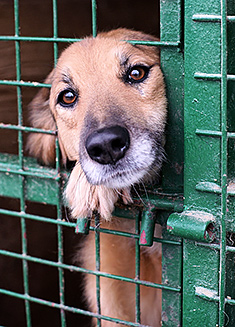
Shelter Dog Adoption Tips for Success
ADOPTION Are you intimidated by the prospect of "rescuing" a dog from a shelter? One reason that you may be wary of adopting a dog from a shelter is not knowing how to choose. Adopting a dog from a shelter can be a rewarding process, if you're prepared to do a reasonable amount of research.
Canine Urinary Tract Infections
SYMPTOMS AND TREATMENTDoes your dog seem to be having trouble relieving his or her bladder? Learn how to recognize the signs of urinary tract infections and how to treat them before they spread.
What to do for Dog Diarrhea
SYMPTOMS AND REMEDIESIf you have dogs in your house for any length of time, you have likely experienced at least one bout of dog diarrhea. Beyond the pain in the tuckus involved in cleaning up the mess, you should know what causes diarrhea, and when it's important to see the vet.
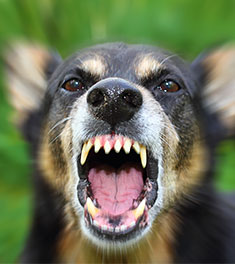
What to do for a Dog Bite
DOG BEHAVIOR Getting bitten by a dog can be scary, and you may be tempted to run around in circles for a while, trying to figure out what to do. Here's our guide to help you manage the situation.
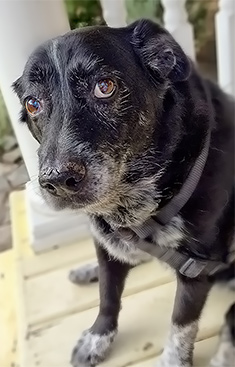
Top Ten Tips for Living with a Senior Dog
DOG HEALTH Bringing home a new puppy is so exciting, but it doesn’t take all that long for your exuberant puppy to grow into a senior dog who may have special needs. Here are the doggies.com top ten tips for taking care of your companion who has been with you through so much.