Canine Distemper
This viral disease is caused by the single-stranded paramyxovirus, a close relative of the measles. Although dogs in the United States are routinely vaccinated against distemper, the disease remains a threat in strays and other dogs who are not, for whatever reason, kept current on their immunizations.
Does distemper affect animals other than dogs?
Unvaccinated dogs have been known to pass along distemper to many species of wildlife, having nearly led to the extinction of the black-footed ferret. Ferrets, in general, seem especially susceptible to the disease, and those kept as household pets should be immunized. Tasmanian tigers were likely wiped out by distemper, and the lion population in Serengeti, Tanzania has been reduced by as much as 20% due to the disease.
Distemper can affect most domesticated animals, although feline distemper is a totally different disease. The virus can infect humans, but causes no symptoms.
How does the virus spread?
The method of transmission is similar to that of the common cold. When an infected dog sneezes or coughs, he expels infected aerosol droplets, which can be picked up by other animals. Contact with other bodily fluids such as tears, feces, and urine may also cause infection, as can eating food or drinking water contaminated with any of these bodily fluids.
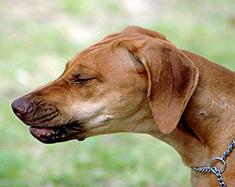
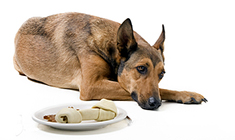
About three to six days after the infectious contact, the animal will develop a fever, and his white blood cell count will be low. He may not want to eat, and he may have a runny nose and gooey eyes. The fever will go away after about four days, but then will reappear 11 to 12 days after the infection started. This fever will last at least a week.
What does distemper do to a dog?
After reproducing itself in the bronchial lymph nodes and tonsils, the virus moves into the bloodstream to infect other lymphatic tissues. It then spreads to the respiratory tract, the digestive tract, the urinary tract, the central nervous system and the nerves serving the eyes.
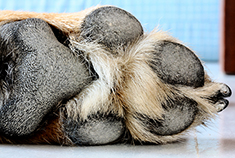
In the lymphatic system, distemper causes immunosuppression, which makes the dog susceptible to other infections. It also destroys the protective myelin sheaths around nerves. The foot pads may become thickened.
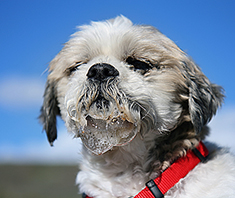
When the digestive tract becomes involved, the dog will have vomiting, diarrhea, dehydration, loss of appetite, and weight loss. In addition, the dog will produce excessive amounts of saliva, drooling more than usual. Respiratory symptoms include labored breathing, coughing, and a runny nose.
As the disease advances to the central nervous system, the brain and spinal cord become inflamed, which can cause the dog to lose control of his bowels and bladder. In addition, the dog may begin to have muscle twitches and / or seizures. The combination of jaw muscle twitches, excessive salivation, and seizures are often called “chewing gum fits”, but are technically known as distemper myoclonus.
The dog may become very sensitive to touch, pain, and light. His motor coordination will begin to suffer, and the dog will stumble, fall to the side, or walk around in circles. These neurologic symptoms may develop as soon as 10 days after infection or may take months to develop. The dog may appear to be symptom free, then suddenly develop the neurologic symptoms characteristic of distemper.
How will my vet diagnose my dog?
The early symptoms of canine distemper are often mistaken for other viral diseases like hepatitis, herpes, parainfluenza, and leptospirosis. Common blood tests will reveal an abnormally low lymphocyte and platelet count. Calluses on the nose and foot pads are highly indicative of the disease, which is sometimes called “hard pad disease.” If the dog’s vaccination history is incomplete or unknown, your vet might suspect distemper from the start. However, confirmation of the diagnosis of distemper is achieved by finding the virus in the conjunctival cells covering the eyeball.
What is the treatment for distemper?
Distemper is not curable, and only a few dogs will eventually recover from the disease. The only infection which kills dogs at a higher rate is rabies. Recovery depends on the dog having a very strong immune system which can kill the virus before it reaches the central nervous system. However, this disease can hide from the immune system, causing neurologic symptoms long after the dog was assumed to be virus-free.
Treatment is aimed at supporting your dog while his immune system combats the disease. Your vet may provide antibiotics to treat any secondary infections that develop due to the suppression of the immune system, IV fluids may be given to prevent dehydration, and nutritional supplements may help dogs who refuse to eat.
How is distemper prevented?
Puppies will get some immunity from their mother’s milk if the mama dog has been vaccinated. However, by about 4 months of age, the immunity gained from the mother will wear off if not boosted by vaccination of the puppy. Most dogs who fall victim to the disease are puppies who do not receive proper vaccinations. In areas where dogs are not routinely immunized, the disease runs rampant in dogs of all ages.
The vaccine most commonly used is a combination of agents effective against distemper, parvovirus, and some of the infections that cause kennel cough. In some areas, vaccination is mandatory.
Dogs who have distemper can shed the virus into their environment for months, even after their own symptoms disappear. Therefore, any dog who is diagnosed with distemper must be quarantined for several months, to prevent the spread of the disease.
In addition, care should be taken to disinfect the environment to kill the virus before it can infect others. The distemper virus can live for only a few hours at room temperature, but in shady areas, it may live for weeks. The virus can survive freezing and thawing in a dark environment. Common household cleaners will kill the virus and should be used prior to bringing another dog into any environment where a dog with distemper has been.

Doggies Den: Latest Articles
 Homemade Thanksgiving Treats for Your Dog
NUTRITION We all want to include our dogs in our holiday celebrations, but hopefully, you're aware that sharing table scraps with your dog isn't always the best idea.
 Keeping Your Dog Safe during the Summer Months
HEALTH Summer is coming on fast, so it’s time to plan how you will keep your dog safe and healthy through the lazy, carefree, warm days.
 Vaccination Time Again-Keeping Your Puppy Healthy
DOG HEALTH So you have your new puppy picked out. There are quite a few shots, treatments and examinations that will keep the newest member of your family healthy.
 Canine Thanksgiving Feast
NUTRITION With the wide variety of food at Thanksgiving dinner, chances are you'll want to give your dog something special, too. If you're contemplating what to feed your dog for the holiday, here is a guide to a great Canine Thanksgiving Feast.
 Dog Walking Tips Every Owner Should Know
DOG FUN Walking your dog is not only crucial to keeping him healthy and happy, it strengthens the bond between your canine friend and his caregiver. There are a lot of obstacles out there. Don’t forget these simple tips to keep your walk fun and safe in the outside world.
 The Benefits of Physiotherapy for your Dog
HEALTH The same techniques that physiotherapists use to treat a variety of injuries and conditions in humans have been adapted to suit animals with great success. Family pets, show dogs, and working dogs can all benefit greatly from physiotherapy. Dogs whose activities involve a lot of agility are especially susceptible to the types of problems that physiotherapy can address.
 The Decision- Adding a Dog to Your Family
FIRST TIME OWNERSBringing a dog into your family is a decision where many people don’t realize it’s magnitude until after they have the dog. There are a number of things that you need to research before you decide to purchase a dog, and it starts right in your own home.
 Bringing Your Dog Into Your New Baby's Life
HEALTH Many believe that a dog and a new baby cannot happily coexist, so therefore the dog has to go. This is not necessarily the case.  A new baby does not mean you have to abandon your dog.

Doggies Den:
Most Popular Articles

Dog Pregnancy Symptoms
HEALTHIf you suspect your dog might be pregnant, check out part one in this series on pregnant dogs, where we cover pregnant dog symptoms.
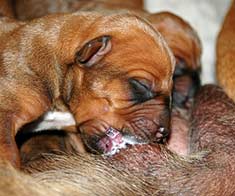
Dog Birth
HEALTHIn the third article of our dog pregnancy series, we look at the wonderful, but messy, process of bringing newborn puppies into the world.

Indoor Dog Potties
DOG PRODUCTSIt's been a long day at work. You were so busy, you didn't even take time to eat a sandwich, let alone run home to let your dog out. You're on your way home, knowing the poor dog is crossing his or her legs by now, when your car breaks down, delaying you even further. Can't somebody make this easier?
Your Dog’s Digestive System
PHYSIOLOGYEver wonder why your dog eats so fast? Or why he eats gross things? Or why he gets sick to his stomach? Or why his waste stinks so bad? Some of these things are normal, some are not.

Canine Respiratory System
BREATHINGThe basic function of your dog's respiratory system is to bring oxygen in to and remove carbon dioxide from the body. Knowing the symptoms of respiratory diseases can help you help your stay healthy.
Shelter Dog Adoption Tips for Success
ADOPTION Are you intimidated by the prospect of "rescuing" a dog from a shelter? One reason that you may be wary of adopting a dog from a shelter is not knowing how to choose. Adopting a dog from a shelter can be a rewarding process, if you're prepared to do a reasonable amount of research.
Canine Urinary Tract Infections
SYMPTOMS AND TREATMENTDoes your dog seem to be having trouble relieving his or her bladder? Learn how to recognize the signs of urinary tract infections and how to treat them before they spread.

What to do for Dog Diarrhea
SYMPTOMS AND REMEDIESIf you have dogs in your house for any length of time, you have likely experienced at least one bout of dog diarrhea. Beyond the pain in the tuckus involved in cleaning up the mess, you should know what causes diarrhea, and when it's important to see the vet.
What to do for a Dog Bite
DOG BEHAVIOR Getting bitten by a dog can be scary, and you may be tempted to run around in circles for a while, trying to figure out what to do. Here's our guide to help you manage the situation.
Top Ten Tips for Living with a Senior Dog
DOG HEALTH Bringing home a new puppy is so exciting, but it doesn’t take all that long for your exuberant puppy to grow into a senior dog who may have special needs. Here are the doggies.com top ten tips for taking care of your companion who has been with you through so much.