Bringing a New Dog into Your Home
How exciting! You've decided to add a new member to your household! Now what? This article will tell you the basic accessories and products you will need for your new bundle of joy, as well as some of the fun extras you might want to consider.
Just as with a human baby, there are certain basic needs which must be covered for a dog, whether he is still a puppy or has already grown to his adult size.
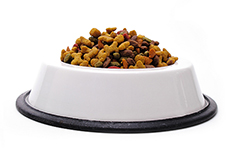
First of all, you will need to decide on a high quality food. Protein is the most important ingredient you can feed your dog, so read the labels and find one that lists a meat, fish, or poultry product first on the ingredients list. Puppies need specially formulated foods to help them grow, while your selection of adult dog food can be based on any special needs you observe such as obesity or old age.
If you so choose, you can make your own dog food, using products you can buy at any grocery store. If you make your own dog food, you will want to include protein such as fish, beef, poultry, and eggs. Dogs also need some carbohydrates, which you can supply in the form of rice, oatmeal, and vegetables. Fats are important to keep your dog's coat shiny and healthy. Omega-3 and omega-6 fatty acids are especially important, so add some cod liver oil to the food.
A dog needs to have access to fresh water at all times. This can be accomplished quite simply with tap water in a plastic bowl. However, there are other options you may want to consider. Pet food stores now offer bottled water for your dog, sometimes with vitamins, minerals, or flavors added. There are also automatic waterers, which freshen the water in the bowl as the dog drinks. No, we're not talking about a toilet, although your dog will be just as happy with that water if you don't leave chemicals in the bowl. The automatic waterers referenced here look like a smallish water cooler that fits over the water bowl.
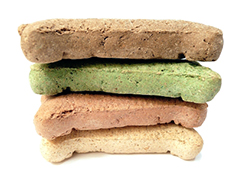
Dogs do not require extra treats throughout the day, but they do appreciate them! Some types of dog cookies are able to help keep your dog's teeth free of tartar while others simply provide a tasty change of pace from regular kibble. Dog obesity is a problem, though, so make sure you don't overdo the treats.
Bowls for food and water can be anything from your kitchen cabinet, or you may choose to buy something fancier. Artisans make ceramic bowls that can be personalized with your dog's name. Pet product manufacturers make an array of dishes ranging from tough, heavy plastic to stainless steel to ceramics. For large dogs, you will likely want to provide raised water and food dishes to prevent the dog from having to stoop down to eat or drink. The bowls can be set on a simple shelf or on a stand made specifically for the purpose.
After providing food and water, your next most important job is to keep your dog safe. To do this, you need to make sure the dog is under your control at all times. If you have a yard, construct a fence to keep your dog home and to keep possible predators out. This can prevent your dog from an unwanted pregnancy, as well as from aggressive children, wild animals that may carry rabies, and predators that may frequent your neighborhood looking for something to eat!
In most jurisdictions, your dog must be licensed with the county agency, at which time you will be given a numbered tag for your dog's collar. This will assure you that if the dog gets loose, the dog warden will be able to locate you to return your pet.
Another important part of keeping your dog under your control is obedience training. Find a kennel club or 4-H club in your area that offers obedience training and sign your dog up as soon as possible. Puppies can also benefit from socialization classes, in which they are not really taught obedience commands, but rather are taught how to get along with other dogs and how to manage crowds of people.
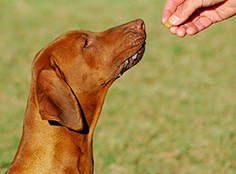
The six basic obedience commands are sit, stay, heel, come, down (lie down) and off (don't jump up). There are also advanced commands that are used in show rings, but your dog can be kept safe if he learns these six basics. If you can't afford professional training, you can train your dog at home. Always use positive encouragement such as praise, attention, and treats, rather than scolding or hitting your dog.
For training, you will need a sturdy leash, no longer than six feet, and a choker collar. However, chokers should not be used on very young puppies as they can cause damage to the windpipe. Make sure to attach the clip from the leash to the ring of the choker that will pull the collar tighter. If you attach it to the other ring, the dog will easily be able to slip out of the collar. Also, while you are training, keep the bulk of the leash's length folded in your right hand, using your left hand to control the tension on the choker collar. Your dog should stay by your left knee, and you can encourage him to do so by proper leash handling.
Make sure you take your new dog to the vet as soon as you can get an appointment. You need to establish a good working relationship with your vet, and your dog needs to be examined to find any health problems sooner rather than later. You will also need to make sure the dog is up-to-date on his shots and get him tested for heartworm seasonally.
Depending on the breed of dog you choose, you may need to purchase some grooming tools. Many short-haired dogs are basically wash and wear, so no tools are necessary. On the other hand, dogs with longer hair will need at least a good brushing every now and then. Every dog will need his nails clipped if you don't walk him on cement fairly often, which naturally grinds down the nails. Dogs with heavy, hanging ears may also require that you purchase cotton balls and peroxide or alcohol to clean out the ears weekly.
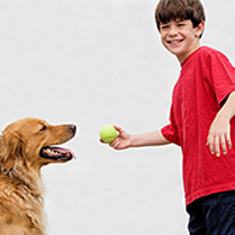
Finally, your dog needs to have attention and play time with you. Simple toys like Frisbees, tennis balls, braided rope tugs, or even cut-off jeans legs will mean the world to your dog, especially if they have you at the other end. Older dogs will not want to play as much as younger dogs, but you need to schedule some time to spend with your dog every single day. Take him for walks, go to a dog park, or just throw a ball for him in your yard. Your dog will be your best friend, and will appreciate your efforts at strengthening the bond between him and you.
The above are the essentials for having a dog in your home. The remainder of this article focuses on some of the fun things you can add on as your budget allows.
For example, many dogs enjoy sleeping on a pillow or in a dog bed. These range from a simple mat that provides a bit more warmth than a bare floor to hammocks to canopy beds fit for royalty. Some beds are made with the dog's orthopedic health in mind while others are made simply to look good. You can even buy your dog a couch so he doesn't feel so badly about not being allowed on yours.
You may want to keep your dog out of certain areas of your home, particularly until you are sure the dog is thoroughly housebroken. This can be accomplished with the use of a crate or kennel, which is highly recommended as a place for your dog to be alone, as well as for its use as a potty-training aid. You may also wish to place baby gates at strategic places to keep your dog from getting into things he shouldn't.
There are many upgrades you can make to a basic leash and collar. Beware, however, that some of these accessories look good, but don't have enough strength to contain a dog who is pulling. Collars may be studded with jewels or tough-looking rivets. They may have charms attached or fancy engraved identification tags. Leashes come in all sorts of patterns and materials.
If you want to travel with your dog, you may choose to restrain him with a pet carrier, a small kennel, cage, or crate, or with a specially-designed pet seatbelt. All of these options come in a wide range of prices and features. Your pet shouldn't be allowed to roam around in the car unrestrained, and he definitely should not ride in the open bed of a pick-up. Older dogs may appreciate a ramp to help them into the back of your car, particularly if you have a high deck such as those found in the larger sport utility vehicles.
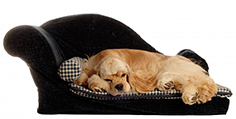
Many people like to add pizzazz to their dogs' life by dressing them in specially-made outfits. Bandannas add a splash of color, but clothing offers many options beyond the ordinary. Halloween costumes, haute couture, and everyday play clothes are all available in a variety of sizes and price ranges.
For both the basic needs and the upgrades, you can visit your local pet store or shop online at sites such as www.ohmydogsupplies.com, www.pet-super-store.com, www.drsfostersmith.com, or www.dog.com.

Doggies Den: Latest Articles
 Homemade Thanksgiving Treats for Your Dog
NUTRITION We all want to include our dogs in our holiday celebrations, but hopefully, you're aware that sharing table scraps with your dog isn't always the best idea.
 Keeping Your Dog Safe during the Summer Months
HEALTH Summer is coming on fast, so it’s time to plan how you will keep your dog safe and healthy through the lazy, carefree, warm days.
 Vaccination Time Again-Keeping Your Puppy Healthy
DOG HEALTH So you have your new puppy picked out. There are quite a few shots, treatments and examinations that will keep the newest member of your family healthy.
 Canine Thanksgiving Feast
NUTRITION With the wide variety of food at Thanksgiving dinner, chances are you'll want to give your dog something special, too. If you're contemplating what to feed your dog for the holiday, here is a guide to a great Canine Thanksgiving Feast.
 Dog Walking Tips Every Owner Should Know
DOG FUN Walking your dog is not only crucial to keeping him healthy and happy, it strengthens the bond between your canine friend and his caregiver. There are a lot of obstacles out there. Don’t forget these simple tips to keep your walk fun and safe in the outside world.
 The Benefits of Physiotherapy for your Dog
HEALTH The same techniques that physiotherapists use to treat a variety of injuries and conditions in humans have been adapted to suit animals with great success. Family pets, show dogs, and working dogs can all benefit greatly from physiotherapy. Dogs whose activities involve a lot of agility are especially susceptible to the types of problems that physiotherapy can address.
 The Decision- Adding a Dog to Your Family
FIRST TIME OWNERSBringing a dog into your family is a decision where many people don’t realize it’s magnitude until after they have the dog. There are a number of things that you need to research before you decide to purchase a dog, and it starts right in your own home.
 Bringing Your Dog Into Your New Baby's Life
HEALTH Many believe that a dog and a new baby cannot happily coexist, so therefore the dog has to go. This is not necessarily the case. A new baby does not mean you have to abandon your dog.
Doggies Den:
Most Popular Articles
Dog Pregnancy Symptoms
HEALTHIf you suspect your dog might be pregnant, check out part one in this series on pregnant dogs, where we cover pregnant dog symptoms.
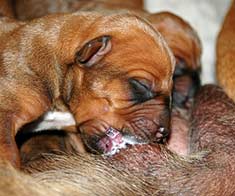
Dog Birth
HEALTHIn the third article of our dog pregnancy series, we look at the wonderful, but messy, process of bringing newborn puppies into the world.
Indoor Dog Potties
DOG PRODUCTSIt's been a long day at work. You were so busy, you didn't even take time to eat a sandwich, let alone run home to let your dog out. You're on your way home, knowing the poor dog is crossing his or her legs by now, when your car breaks down, delaying you even further. Can't somebody make this easier?
Your Dog’s Digestive System
PHYSIOLOGYEver wonder why your dog eats so fast? Or why he eats gross things? Or why he gets sick to his stomach? Or why his waste stinks so bad? Some of these things are normal, some are not.
Canine Respiratory System
BREATHINGThe basic function of your dog's respiratory system is to bring oxygen in to and remove carbon dioxide from the body. Knowing the symptoms of respiratory diseases can help you help your stay healthy.
Shelter Dog Adoption Tips for Success
ADOPTION Are you intimidated by the prospect of "rescuing" a dog from a shelter? One reason that you may be wary of adopting a dog from a shelter is not knowing how to choose. Adopting a dog from a shelter can be a rewarding process, if you're prepared to do a reasonable amount of research.
Canine Urinary Tract Infections
SYMPTOMS AND TREATMENTDoes your dog seem to be having trouble relieving his or her bladder? Learn how to recognize the signs of urinary tract infections and how to treat them before they spread.
What to do for Dog Diarrhea
SYMPTOMS AND REMEDIESIf you have dogs in your house for any length of time, you have likely experienced at least one bout of dog diarrhea. Beyond the pain in the tuckus involved in cleaning up the mess, you should know what causes diarrhea, and when it's important to see the vet.
What to do for a Dog Bite
DOG BEHAVIOR Getting bitten by a dog can be scary, and you may be tempted to run around in circles for a while, trying to figure out what to do. Here's our guide to help you manage the situation.
Top Ten Tips for Living with a Senior Dog
DOG HEALTH Bringing home a new puppy is so exciting, but it doesn’t take all that long for your exuberant puppy to grow into a senior dog who may have special needs. Here are the doggies.com top ten tips for taking care of your companion who has been with you through so much.