Top 10 Puppy Training Tips
Bringing a new puppy into your home can obviously be a very exciting time, but it is also the beginning of a long training process. Although your puppy obviously needs time to settle into its new environment, and get to know all the members of the household, it is also important to establish some house rules before your pup arrives home.
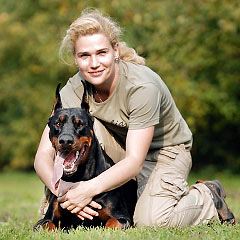
These rules - such as no sleeping on the bed, no jumping up, no feeding at the table, etc. - must be followed carefully by all members of the household, so that your new arrival doesn’t get any false messages. It is quite amazing how often you hear people complaining about the fact that their dog has bad habits and never does as it’s told, but much of this is purely down to the fact that the dog has not been trained properly from an early age. The rules you put in place during the first week of your puppy’s arrival are critical to the training process, as if your pup discovers any weaknesses in your rules, it will soon break free and do as it pleases.
Starting a regular training process early on in your dog’s life is much easier than you might think; it is simply a matter of being clear and positive in your actions, consistent, gentle and patient. It may be that your puppy has already come from a home where it has had a fair amount of socialisation, and this will obviously help to make the training process much easier for everyone concerned. The following tips will hopefully help you to reap the rewards of owning a happy and obedient dog:
- Always reinforce good behaviour with plenty of praise or a tasty treat – ignoring your dog when it is being good, and shouting at it when it is doing something wrong, will send out the wrong messages.
- Try to ensure that you always use your dog’s name in a positive way. This will ensure that it doesn’t feel too scared to come to you when called, in case it gets into trouble.
- A collar and lead are very important training tools and it is best to get your dog used to them as soon as possible. Begin by placing them on your dog periodically when it is in the house, and then gradually build up the amount of time your dog wears them - this will make it easier when you start going out for walks together.
- As soon as possible, get your dog used to noisy traffic, bicycles, people, other animals, etc. This will prevent your dog from being timid when confronted by any of these situations.
- Give your dog plenty of regular daily exercise and try to attend a reputable dog training class as often as possible.
- When you get to the stage of letting your dog off the lead, keep calling it back to you and put the lead back on periodically. Then leave the lead on for a short while, reward your dog with a treat, and then let it off the lead again. This will show your dog that going back on the lead is not a bad thing, and that it doesn’t mark the end of an enjoyable walk.
- Interact with your dog whilst out for a walk, by taking toys to throw and fetch. This helps to reinforce good behaviour and encourages your dog to keep coming back to you when called.
- When giving your dog a command, make sure you only say the word once in a firm voice. If the dog doesn’t respond, try again a few seconds later. If you keep repeating a command over and over without any breaks in between, your dog will fail to understand the command and will continue to ignore it.
- Try to avoid leaving your puppy alone for long periods of time at first. When you do leave it, make sure you provide an activity toy filled with some tasty treats – this will hopefully prevent it from chewing anything else.
- To speed up the house training process, be sure to praise your dog well whenever he/she goes to the toilet in the correct place – you will be surprised how quickly your puppy learns.
These useful tips shouldn’t take too long to implement if used regularly and consistently, and will make being a dog owner a more pleasurable experience. You will have the satisfaction of knowing that your dog will sit patiently when required, come back when it is called, and walk nicely on the lead next to you.

Doggies Den: Latest Articles
 Homemade Thanksgiving Treats for Your Dog
NUTRITION We all want to include our dogs in our holiday celebrations, but hopefully, you're aware that sharing table scraps with your dog isn't always the best idea.
 Keeping Your Dog Safe during the Summer Months
HEALTH Summer is coming on fast, so it’s time to plan how you will keep your dog safe and healthy through the lazy, carefree, warm days.
 Vaccination Time Again-Keeping Your Puppy Healthy
DOG HEALTH So you have your new puppy picked out. There are quite a few shots, treatments and examinations that will keep the newest member of your family healthy.
 Canine Thanksgiving Feast
NUTRITION With the wide variety of food at Thanksgiving dinner, chances are you'll want to give your dog something special, too. If you're contemplating what to feed your dog for the holiday, here is a guide to a great Canine Thanksgiving Feast.
 Dog Walking Tips Every Owner Should Know
DOG FUN Walking your dog is not only crucial to keeping him healthy and happy, it strengthens the bond between your canine friend and his caregiver. There are a lot of obstacles out there. Don’t forget these simple tips to keep your walk fun and safe in the outside world.
 The Benefits of Physiotherapy for your Dog
HEALTH The same techniques that physiotherapists use to treat a variety of injuries and conditions in humans have been adapted to suit animals with great success. Family pets, show dogs, and working dogs can all benefit greatly from physiotherapy. Dogs whose activities involve a lot of agility are especially susceptible to the types of problems that physiotherapy can address.
 The Decision- Adding a Dog to Your Family
FIRST TIME OWNERSBringing a dog into your family is a decision where many people don’t realize it’s magnitude until after they have the dog. There are a number of things that you need to research before you decide to purchase a dog, and it starts right in your own home.
 Bringing Your Dog Into Your New Baby's Life
HEALTH Many believe that a dog and a new baby cannot happily coexist, so therefore the dog has to go. This is not necessarily the case.  A new baby does not mean you have to abandon your dog.
Doggies Den:
Most Popular Articles
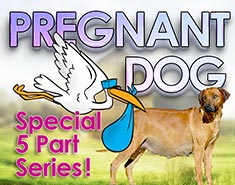
Dog Pregnancy Symptoms
HEALTHIf you suspect your dog might be pregnant, check out part one in this series on pregnant dogs, where we cover pregnant dog symptoms.
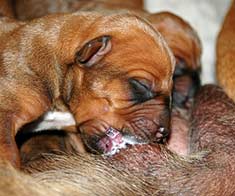
Dog Birth
HEALTHIn the third article of our dog pregnancy series, we look at the wonderful, but messy, process of bringing newborn puppies into the world.
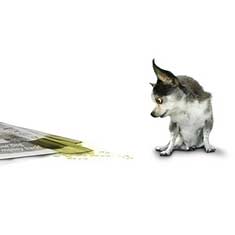
Indoor Dog Potties
DOG PRODUCTSIt's been a long day at work. You were so busy, you didn't even take time to eat a sandwich, let alone run home to let your dog out. You're on your way home, knowing the poor dog is crossing his or her legs by now, when your car breaks down, delaying you even further. Can't somebody make this easier?
Your Dog’s Digestive System
PHYSIOLOGYEver wonder why your dog eats so fast? Or why he eats gross things? Or why he gets sick to his stomach? Or why his waste stinks so bad? Some of these things are normal, some are not.
Canine Respiratory System
BREATHINGThe basic function of your dog's respiratory system is to bring oxygen in to and remove carbon dioxide from the body. Knowing the symptoms of respiratory diseases can help you help your stay healthy.
Shelter Dog Adoption Tips for Success
ADOPTION Are you intimidated by the prospect of "rescuing" a dog from a shelter? One reason that you may be wary of adopting a dog from a shelter is not knowing how to choose. Adopting a dog from a shelter can be a rewarding process, if you're prepared to do a reasonable amount of research.
Canine Urinary Tract Infections
SYMPTOMS AND TREATMENTDoes your dog seem to be having trouble relieving his or her bladder? Learn how to recognize the signs of urinary tract infections and how to treat them before they spread.
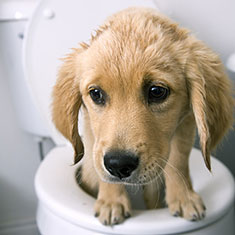
What to do for Dog Diarrhea
SYMPTOMS AND REMEDIESIf you have dogs in your house for any length of time, you have likely experienced at least one bout of dog diarrhea. Beyond the pain in the tuckus involved in cleaning up the mess, you should know what causes diarrhea, and when it's important to see the vet.
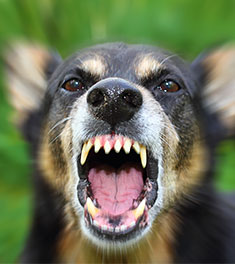
What to do for a Dog Bite
DOG BEHAVIOR Getting bitten by a dog can be scary, and you may be tempted to run around in circles for a while, trying to figure out what to do. Here's our guide to help you manage the situation.
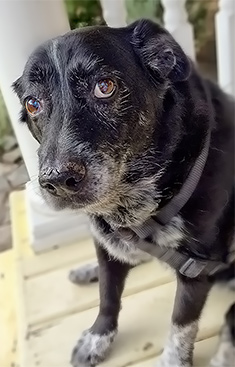
Top Ten Tips for Living with a Senior Dog
DOG HEALTH Bringing home a new puppy is so exciting, but it doesn’t take all that long for your exuberant puppy to grow into a senior dog who may have special needs. Here are the doggies.com top ten tips for taking care of your companion who has been with you through so much.