Obesity and Nutrition
You may have heard the old saying, "If your dog is fat, you're not getting enough exercise." As American life has become more sedentary, both humans and their dogs are getting bigger and bigger.
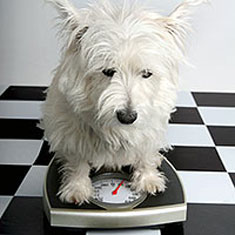
Never before in history have dogs had it so good. In earlier times, dogs had to work to earn their keep. They herded livestock or caught rats or ran rabbits for the family's hunter. Now, they have become simply pets, content to sit by the fire or lie down at the master's feet. Now that we no longer have to walk into town, chop our own wood, work our own vegetable gardens, or even get up to change the television channel, we have slowed down to the point where we get virtually no exercise unless we make a conscious effort to do so.
Number One Issue
Unfortunately, obesity is now considered the number one nutritional problem in dogs, with at least 25% of the dogs in America overweight. As owners, we are in denial about the problem. One study found that vets consider 47% of their patients overweight, but only 17% of dog owners think the same. No matter what the actual percentage is, it is vital for dog owners to realize that being overweight is just as unhealthy for your dog as it is for you.
Health Problems Can Result
Obesity makes it harder for all of your dog's body systems to work correctly. It can make them susceptible to arthritis, cardiovascular disease, heat stress, diabetes, and liver disease. Being overweight also reduces the dog's immunity, leaving it unprotected from a variety of diseases. Overweight dogs move more slowly and get tired more quickly.
Restricting Diet May Extend Dog’s Life
A recent study done by Nestle Purina PetCare followed Labrador retrievers from seven different litters for 14 years. The study found that restricting a dog's diet can extend his life by as much as two years. Only three of the restricted diet dogs died by age ten, compared to seven of the dogs who were given more food. The non-restricted dogs also showed more visible signs of aging, such as graying muzzles, stiffened gaits, and reduced activity at an earlier age than the restricted dogs.
How to Tell if Your Dog is Fat?
So how can you tell if your dog needs to lose a few pounds? Pfizer Animal Health has created the Body Assessment Rating for Canines, or BARC, study to help you identify obesity. The survey emphasizes that you should consult with your veterinarian to rule out any medical causes for your dog being overweight before starting him on a diet. The survey can be found online at A Dog Owner's Guid to Healthy Weight. It includes questions such as:
- Is your dog's breed prone to obesity? Breeds such as retrievers, beagles, basset hounds, cocker spaniels, dachshunds, shelties, and terriers are known to have to work harder to keep their figures svelte than some other breeds.
- How many dogs live at your house? Dogs that live with their friends tend to eat more and eat faster than dogs that live in a one-dog house.
- How often does your dog get between-meal snacks? Many of us give our dogs table scraps or even dog cookies, but that can add pounds in a hurry.
- Does your dog get adequate outdoor play time? Most experts recommend that your dog play outside for a minimum of 20 - 30 minutes each day.
Or Just Take a Look at Your Dog
If you don't want to take the quiz, a quick way to judge your dog's weight is to simply look at him. When you look at your dog from above, you should see a waist. From the side, you should be able to see his ribs, although they should not be sharply outlined. In addition, the belly should be tucked up, not hanging pendulously. A dog that is too skinny has sharply outlined ribs, while an overweight dog has a rounded belly and no waist.
Diet to Reduce Weight
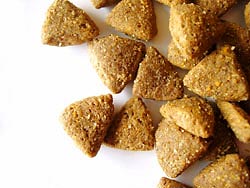
Once you decide to reduce your dog's weight, you need to do it safely. You should aim for a loss of no more than 1 - 2% of the dog's total body weight per week. So, if your dog weighs 50 pounds, you would want him to reduce his weight only by ½-pound each week. It is best to use food specifically formulated for weight loss to make sure that proper nutrition is maintained. Dogs require a variety of nutrients just as we do. If you want to create your own diet dog food, mix together these ingredients:
- 12 oz. lean chicken breast or fish
- 1½ cups cooked long-grain rice
- 1 cup any vegetables
- ½ cup pumpkin or sweet potato
- 1 oz. liver
- 2 tsp sunflower oil
- 1 tsp calcium carbonate (grind up a TUMS to get calcium carbonate)
Snacks and Calorie Intake
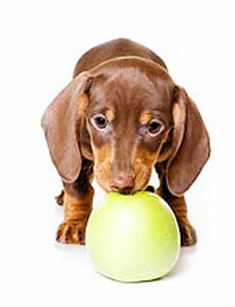
For snacks, you can feed your dog an apple, carrots, dry popcorn, or rice cakes. The recipe above plus one apple provides about 1500 calories. A 50-pound dog that is moderately active needs about 1400 calories per day to maintain his weight. To lose weight, you should feed him about 80 - 90% of this, or 1120 - 1260 calories. Monitor the dog's weight to keep his weight loss at about 1 - 2% per week. Adjust the amount you are feeding to maintain this healthy weight loss until your dog has achieved his goal weight.
Exercise!
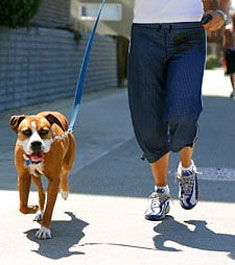
Just as with humans, dogs benefit greatly from exercise. Be sure to start slowly if your dog is generally sedentary. Walk a short distance at first to keep the dog from getting sore, then slowly build up to longer walks. Once the dog has lost some weight, you can encourage the dog to get more exercise by having him chase a Frisbee or fetch a stick. As the dog exercises, his fatty tissue will turn into lean muscle. Even at rest, lean muscle burns more calories than fat, so the dog's metabolism begins to speed up, making it easier to keep the weight off.
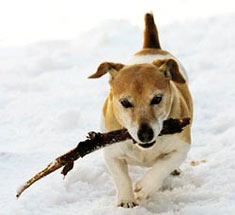
Who knows, maybe you'll have so much fun playing with your dog, you'll actually drop a few pounds yourself!

Doggies Den: Latest Articles
 Homemade Thanksgiving Treats for Your Dog
NUTRITION We all want to include our dogs in our holiday celebrations, but hopefully, you're aware that sharing table scraps with your dog isn't always the best idea.
 Keeping Your Dog Safe during the Summer Months
HEALTH Summer is coming on fast, so it’s time to plan how you will keep your dog safe and healthy through the lazy, carefree, warm days.
 Vaccination Time Again-Keeping Your Puppy Healthy
DOG HEALTH So you have your new puppy picked out. There are quite a few shots, treatments and examinations that will keep the newest member of your family healthy.
 Canine Thanksgiving Feast
NUTRITION With the wide variety of food at Thanksgiving dinner, chances are you'll want to give your dog something special, too. If you're contemplating what to feed your dog for the holiday, here is a guide to a great Canine Thanksgiving Feast.
 Dog Walking Tips Every Owner Should Know
DOG FUN Walking your dog is not only crucial to keeping him healthy and happy, it strengthens the bond between your canine friend and his caregiver. There are a lot of obstacles out there. Don’t forget these simple tips to keep your walk fun and safe in the outside world.
 The Benefits of Physiotherapy for your Dog
HEALTH The same techniques that physiotherapists use to treat a variety of injuries and conditions in humans have been adapted to suit animals with great success. Family pets, show dogs, and working dogs can all benefit greatly from physiotherapy. Dogs whose activities involve a lot of agility are especially susceptible to the types of problems that physiotherapy can address.
 The Decision- Adding a Dog to Your Family
FIRST TIME OWNERSBringing a dog into your family is a decision where many people don’t realize it’s magnitude until after they have the dog. There are a number of things that you need to research before you decide to purchase a dog, and it starts right in your own home.
 Bringing Your Dog Into Your New Baby's Life
HEALTH Many believe that a dog and a new baby cannot happily coexist, so therefore the dog has to go. This is not necessarily the case. A new baby does not mean you have to abandon your dog.
Doggies Den:
Most Popular Articles
Dog Pregnancy Symptoms
HEALTHIf you suspect your dog might be pregnant, check out part one in this series on pregnant dogs, where we cover pregnant dog symptoms.
Dog Birth
HEALTHIn the third article of our dog pregnancy series, we look at the wonderful, but messy, process of bringing newborn puppies into the world.
Indoor Dog Potties
DOG PRODUCTSIt's been a long day at work. You were so busy, you didn't even take time to eat a sandwich, let alone run home to let your dog out. You're on your way home, knowing the poor dog is crossing his or her legs by now, when your car breaks down, delaying you even further. Can't somebody make this easier?
Your Dog’s Digestive System
PHYSIOLOGYEver wonder why your dog eats so fast? Or why he eats gross things? Or why he gets sick to his stomach? Or why his waste stinks so bad? Some of these things are normal, some are not.

Canine Respiratory System
BREATHINGThe basic function of your dog's respiratory system is to bring oxygen in to and remove carbon dioxide from the body. Knowing the symptoms of respiratory diseases can help you help your stay healthy.
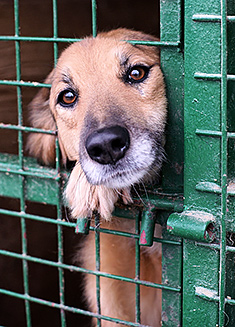
Shelter Dog Adoption Tips for Success
ADOPTION Are you intimidated by the prospect of "rescuing" a dog from a shelter? One reason that you may be wary of adopting a dog from a shelter is not knowing how to choose. Adopting a dog from a shelter can be a rewarding process, if you're prepared to do a reasonable amount of research.
Canine Urinary Tract Infections
SYMPTOMS AND TREATMENTDoes your dog seem to be having trouble relieving his or her bladder? Learn how to recognize the signs of urinary tract infections and how to treat them before they spread.
What to do for Dog Diarrhea
SYMPTOMS AND REMEDIESIf you have dogs in your house for any length of time, you have likely experienced at least one bout of dog diarrhea. Beyond the pain in the tuckus involved in cleaning up the mess, you should know what causes diarrhea, and when it's important to see the vet.
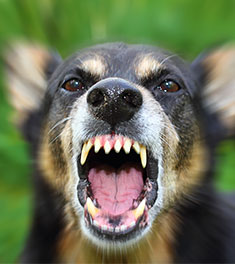
What to do for a Dog Bite
DOG BEHAVIOR Getting bitten by a dog can be scary, and you may be tempted to run around in circles for a while, trying to figure out what to do. Here's our guide to help you manage the situation.
Top Ten Tips for Living with a Senior Dog
DOG HEALTH Bringing home a new puppy is so exciting, but it doesn’t take all that long for your exuberant puppy to grow into a senior dog who may have special needs. Here are the doggies.com top ten tips for taking care of your companion who has been with you through so much.