Dog Pregnancy Symptoms
Do you suspect a dog pregnancy at your house? Doggies.com is happy to begin a 5-part series on pregnant dogs. This first installment deals with pregnant dog symptoms. Future installments will include a care guide for pregnant dogs and newborn puppies and a quick-reference FAQ on dog pregnancy.
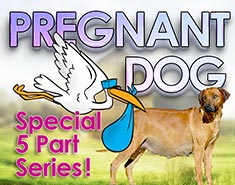
Canine pregnancies are very unlike human pregnancies. For example, human females become fertile every month, while dogs typically go into heat only twice per year. Bitches (female dogs, not nasty female humans!) may start having heat cycles as early as 4 - 6 months of age for small breeds or at 12 - 24 months of age in larger dogs. Each individual fertile period lasts 7 - 10 days, depending on the breed of dog. Dogs never reach menopause, so you could experience a dog pregnancy even in a very old bitch.
Dog Pregnancy Test
There is no blood or urine dog pregnancy test that can be used, as the hormonal changes a dog goes through are relatively similar whether the dog is pregnant or not. Therefore, you have to rely on symptoms of dog pregnancy, at least initially. Knowing when the dog mated will help you a great deal, but if you did not see the blessed event, you can still use this guide to pregnant dog symptoms to get a good idea of if your dog is pregnant or not.
Dog Pregnancy Stages
For about the first month, you likely will not see many outward dog pregnancy signs, as the changes inside your dog are microscopic. About 2 - 3 days after mating, the eggs are fertilized on their way to the uterus. At 10 or 11 days, the fertilized eggs implant themselves in the uterine lining.
The first symptom of dog pregnancy you are likely to notice occurs at 14 to 15 days after mating. If you look closely at the dog's nipples, you will see that they are becoming larger and turning a darker shade of pink. At about 20 days, the fur around the nipples will begin to thin out to allow the pups easier access to them.
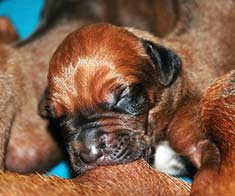
One of the most visible symptoms of dog pregnancy is present from days 21 – 28, when the bitch goes through morning sickness, similar to what human mothers experience in early pregnancy. Although dogs don't typically vomit as much as humans, they often lose their appetites and refuse to eat.
By 25 days after mating, you can notice one of the most important dog pregnancy symptoms - heartbeats! If you have access to a stethoscope, press it gently against the dog's abdomen and listen closely. You probably won't be able to pick out how many puppies are in there, but it's exciting to hear the little thumps, nonetheless.
By 30 days after mating, the embryos are big enough to be felt through the dog's abdominal wall. They will be about walnut-sized and can be felt well enough to determine how many puppies are in your pregnant dog. A dog pregnancy ultrasound can be taken at this point to verify the pregnant dog's litter size. Symptoms at this point are pretty easy to spot, as the dog's abdomen is rapidly growing.
Other dog pregnancy symptoms are swollen nipples and restlessness. Your dog may spend a lot of time grooming herself and may wander around, sniffing for places that would make a good den.
After six weeks, the puppies will be large enough that they begin crowding each other and squirming around. If your dog will allow you to touch her stomach, you can feel them, just as you would a kicking baby. The abdomen will feel hard and will be extremely large and stretched. At this point, the bitch may lose her appetite entirely, as her stomach will be crowded with puppies, leaving little room for food.
When does a dog pregnancy end?
Most dogs deliver their litters about 54 - 72 days after conception. A few days before the delivery, the key pregnant dog symptom is that her nipples will leak a milky fluid when squeezed. She may also have a clear discharge from her vagina. You should begin taking rectal temperatures twice a day when you see discharge from either place. When the temperature drops from 101 to 98 degrees, the dog will begin delivering within 12 - 24 hours, and your dog pregnancy will be at an end.
Enjoy your puppies!
Read Part 2 Dog Births on the Way – A Care Guide here

Doggies Den: Latest Articles
 Homemade Thanksgiving Treats for Your Dog
NUTRITION We all want to include our dogs in our holiday celebrations, but hopefully, you're aware that sharing table scraps with your dog isn't always the best idea.
 Keeping Your Dog Safe during the Summer Months
HEALTH Summer is coming on fast, so it’s time to plan how you will keep your dog safe and healthy through the lazy, carefree, warm days.
 Vaccination Time Again-Keeping Your Puppy Healthy
DOG HEALTH So you have your new puppy picked out. There are quite a few shots, treatments and examinations that will keep the newest member of your family healthy.
 Canine Thanksgiving Feast
NUTRITION With the wide variety of food at Thanksgiving dinner, chances are you'll want to give your dog something special, too. If you're contemplating what to feed your dog for the holiday, here is a guide to a great Canine Thanksgiving Feast.
 Dog Walking Tips Every Owner Should Know
DOG FUN Walking your dog is not only crucial to keeping him healthy and happy, it strengthens the bond between your canine friend and his caregiver. There are a lot of obstacles out there. Don’t forget these simple tips to keep your walk fun and safe in the outside world.
 The Benefits of Physiotherapy for your Dog
HEALTH The same techniques that physiotherapists use to treat a variety of injuries and conditions in humans have been adapted to suit animals with great success. Family pets, show dogs, and working dogs can all benefit greatly from physiotherapy. Dogs whose activities involve a lot of agility are especially susceptible to the types of problems that physiotherapy can address.
 The Decision- Adding a Dog to Your Family
FIRST TIME OWNERSBringing a dog into your family is a decision where many people don’t realize it’s magnitude until after they have the dog. There are a number of things that you need to research before you decide to purchase a dog, and it starts right in your own home.
 Bringing Your Dog Into Your New Baby's Life
HEALTH Many believe that a dog and a new baby cannot happily coexist, so therefore the dog has to go. This is not necessarily the case. A new baby does not mean you have to abandon your dog.

Doggies Den:
Most Popular Articles
Dog Pregnancy Symptoms
HEALTHIf you suspect your dog might be pregnant, check out part one in this series on pregnant dogs, where we cover pregnant dog symptoms.
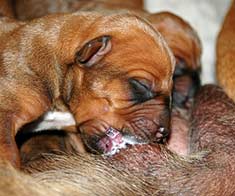
Dog Birth
HEALTHIn the third article of our dog pregnancy series, we look at the wonderful, but messy, process of bringing newborn puppies into the world.

Indoor Dog Potties
DOG PRODUCTSIt's been a long day at work. You were so busy, you didn't even take time to eat a sandwich, let alone run home to let your dog out. You're on your way home, knowing the poor dog is crossing his or her legs by now, when your car breaks down, delaying you even further. Can't somebody make this easier?
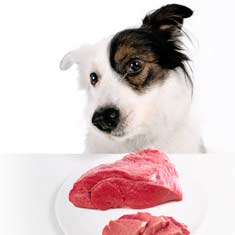
Your Dog’s Digestive System
PHYSIOLOGYEver wonder why your dog eats so fast? Or why he eats gross things? Or why he gets sick to his stomach? Or why his waste stinks so bad? Some of these things are normal, some are not.

Canine Respiratory System
BREATHINGThe basic function of your dog's respiratory system is to bring oxygen in to and remove carbon dioxide from the body. Knowing the symptoms of respiratory diseases can help you help your stay healthy.
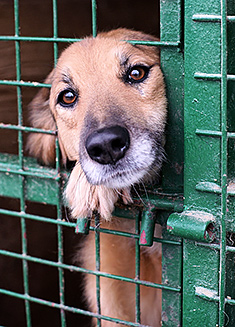
Shelter Dog Adoption Tips for Success
ADOPTION Are you intimidated by the prospect of "rescuing" a dog from a shelter? One reason that you may be wary of adopting a dog from a shelter is not knowing how to choose. Adopting a dog from a shelter can be a rewarding process, if you're prepared to do a reasonable amount of research.
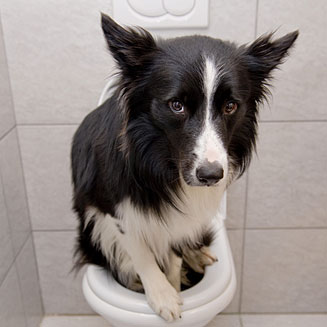
Canine Urinary Tract Infections
SYMPTOMS AND TREATMENTDoes your dog seem to be having trouble relieving his or her bladder? Learn how to recognize the signs of urinary tract infections and how to treat them before they spread.
What to do for Dog Diarrhea
SYMPTOMS AND REMEDIESIf you have dogs in your house for any length of time, you have likely experienced at least one bout of dog diarrhea. Beyond the pain in the tuckus involved in cleaning up the mess, you should know what causes diarrhea, and when it's important to see the vet.

What to do for a Dog Bite
DOG BEHAVIOR Getting bitten by a dog can be scary, and you may be tempted to run around in circles for a while, trying to figure out what to do. Here's our guide to help you manage the situation.
Top Ten Tips for Living with a Senior Dog
DOG HEALTH Bringing home a new puppy is so exciting, but it doesn’t take all that long for your exuberant puppy to grow into a senior dog who may have special needs. Here are the doggies.com top ten tips for taking care of your companion who has been with you through so much.