West Highland White Terrier Breed Guide
Appearance
If you've ever seen a can of Cesar brand dog food, you've seen the adorable West Highland White Terrier, perhaps better known as the Westie. Their piercing bright eyes, short tail, and small pointed ears are very distinctive, as are their teeth, which are fairly large for such a small dog. The mouth comes together in a scissors bite, whereby the lower canines are locked in front of the upper canines, while the upper incisors are locked over the lower incisors. Standing 9 - 11 inches tall at the withers, the Westie usually weighs somewhere between 13 and 20 pounds. Females are usually at the lower end of that weight range, while males are at the higher end.
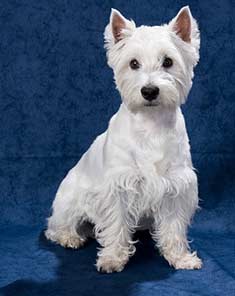
The West Highland White Terrier is a double coated dog. The soft, dense undercoat is covered with a rough outer coat about 2 inches long. As the name implies, most Westies are white, but some have wheaten colored tippings on their outer coat. The fur does not shed excessively, but the dog does require regular grooming to pull out dead hair from the undercoat. Their paws are slightly webbed with thick pads.
Grooming
Allergies and dry skin issues plague this breed. Westie guardians must strike a balance between bathing enough to keep the coat clean and bathing too much which will dry out the skin. To help you manage this issue, remember that brushing can make a fairly good substitute for bathing by pulling out loose hair and removing loose dirt. White powdered chalk or corn starch can be sprinkled on the coat, then brushed out to encourage the fur to give up caked-on dirt. Weekly or more frequent brushing will also help to remove tangles and keep oils distributed through the dog's coat. When you do bathe a Westie, a gentle shampoo should be used. Look for one that is detergent-free and made for babies or those with sensitive skin. The insides of the ears should be swabbed out with cotton balls soaked in rubbing alcohol or hydrogen peroxide to prevent wax build-up.
Ancestry of the Westie
The West Highland White Terrier was originally bred in Scotland for hunting and vermin control, although there is some discussion among dog historians as to who originated the breed. Some sources credit Colonel Edward Donald Malcolm of Poltalloch in western Scotland. Others say the 8th Duke of Argyll, Chieftain of Clan Campbell, was responsible. It is entirely possible that the two men worked together to produce the desired characteristics of the Westie.
In either case, the primary ancestor of the Westie was the Cairn Terrier and Scottish Terrier. When either of these dogs whelped a white puppy, the puppy was subsequently selectively bred to produce all-white litters. It was important to them that the dog be white, making him highly visible when used for hunting on the Scottish moors. Brown dogs had been used for hunting, but were often shot by hunters who mistook them for foxes. In addition, the dog had to be strong, yet small enough and fast enough to track rabbits, squirrels, mice, foxes, and badgers.
The dogs were originally called Polltalloch Terriers or Roseneath Terriers, after the homes of Malcolm and the 8th Duke of Argyll, respectively. As the dog developed into a distinctive breed, the name was changed to reflect the more general area of Scotland, the western highlands.
Westie Lung Disease
The Westie is generally a healthy dog, but there are a few conditions to which it is prone. Westie Lung Disease, more properly known as Idiopathic Pulmonary Fibrosis, is the result of chronic inflammation of the alveoli of the lungs. This may be the end result of the allergies so common to this breed. As inflammation continues in the lungs, it produces scarring of the alveoli (air sacs) and the connective tissue between them. If your dog is having a hard time breathing, especially during exercise, you might want to have your vet listen to his lungs. Crackles are indicative of the disease, as is a dry cough. The dog's heart may become enlarged as it has to work harder to pump blood to the fibrosed lungs. The disease usually starts producing symptoms when a Westie is about nine years old, and will likely kill the dog within 2 years. Treatment is available to make the dog more comfortable, and care must be taken to prevent respiratory tract infections. Exercise should be limited, but the dog must be kept from becoming obese. The Westie Foundation of America is funding research into the disease and possible specific diagnostic tests and treatment.
White Shakers Syndrome
Thought to be caused by mild inflammation of the cerebellum portion of the brain, this disease typically effects small dogs, and seems to have a propensity to attack Westies. The disease typically begins before age three, when the dog suddenly develops a tremor that persists throughout the day. The tremor typically becomes worse when the dog is held, is excited, or is stressed. You may also notice other nervous system problems, such as the head being tilted to one side, seizures, or one or more limbs becoming weak. There is no specific treatment, but the dog may have to be hand fed for awhile at the beginning of the disease. Eventually, he will be able to eat normally again. Your vet may give the dog Valium to keep him calm and steroids to reduce the inflammation. The condition does go away with proper treatment, although you may see relapses during times of stress.
How do they act?
The fun-loving Westie is full of energy. They are independent and may not like to be held for long periods. However, like most dogs, the Westie will sleep at least 13 hours a day. He will sleep near you at night, then take naps during the day when he can't find anyone to play with him. They are people-oriented and will often follow you from room to room throughout your day. This might not be the best choice of breed for someone who is away at work all day, as the dog will make his own entertainment if you are not around. He is a prodigious digger and should only be allowed in your garden during plowing time in the spring!
The Westie never met a stranger, but they will bark if they sense danger. They are friendly with children, as long as the child is old enough to realize that tails are not meant for pulling.
If you are looking for a fun-loving companion who will not need much grooming, the Westie will be perfect for you. However, if you want a cuddler or a watchdog, you may want to look elsewhere.

Doggies Den: Latest Articles
 Homemade Thanksgiving Treats for Your Dog
NUTRITION We all want to include our dogs in our holiday celebrations, but hopefully, you're aware that sharing table scraps with your dog isn't always the best idea.
 Keeping Your Dog Safe during the Summer Months
HEALTH Summer is coming on fast, so it’s time to plan how you will keep your dog safe and healthy through the lazy, carefree, warm days.
 Vaccination Time Again-Keeping Your Puppy Healthy
DOG HEALTH So you have your new puppy picked out. There are quite a few shots, treatments and examinations that will keep the newest member of your family healthy.
 Canine Thanksgiving Feast
NUTRITION With the wide variety of food at Thanksgiving dinner, chances are you'll want to give your dog something special, too. If you're contemplating what to feed your dog for the holiday, here is a guide to a great Canine Thanksgiving Feast.
 Dog Walking Tips Every Owner Should Know
DOG FUN Walking your dog is not only crucial to keeping him healthy and happy, it strengthens the bond between your canine friend and his caregiver. There are a lot of obstacles out there. Don’t forget these simple tips to keep your walk fun and safe in the outside world.
 The Benefits of Physiotherapy for your Dog
HEALTH The same techniques that physiotherapists use to treat a variety of injuries and conditions in humans have been adapted to suit animals with great success. Family pets, show dogs, and working dogs can all benefit greatly from physiotherapy. Dogs whose activities involve a lot of agility are especially susceptible to the types of problems that physiotherapy can address.
 The Decision- Adding a Dog to Your Family
FIRST TIME OWNERSBringing a dog into your family is a decision where many people don’t realize it’s magnitude until after they have the dog. There are a number of things that you need to research before you decide to purchase a dog, and it starts right in your own home.
 Bringing Your Dog Into Your New Baby's Life
HEALTH Many believe that a dog and a new baby cannot happily coexist, so therefore the dog has to go. This is not necessarily the case. A new baby does not mean you have to abandon your dog.

Doggies Den:
Most Popular Articles

Dog Pregnancy Symptoms
HEALTHIf you suspect your dog might be pregnant, check out part one in this series on pregnant dogs, where we cover pregnant dog symptoms.
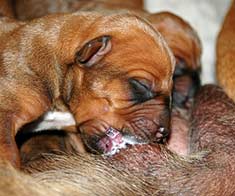
Dog Birth
HEALTHIn the third article of our dog pregnancy series, we look at the wonderful, but messy, process of bringing newborn puppies into the world.

Indoor Dog Potties
DOG PRODUCTSIt's been a long day at work. You were so busy, you didn't even take time to eat a sandwich, let alone run home to let your dog out. You're on your way home, knowing the poor dog is crossing his or her legs by now, when your car breaks down, delaying you even further. Can't somebody make this easier?
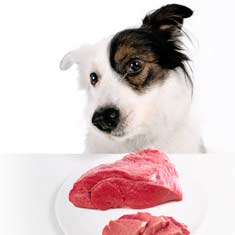
Your Dog’s Digestive System
PHYSIOLOGYEver wonder why your dog eats so fast? Or why he eats gross things? Or why he gets sick to his stomach? Or why his waste stinks so bad? Some of these things are normal, some are not.

Canine Respiratory System
BREATHINGThe basic function of your dog's respiratory system is to bring oxygen in to and remove carbon dioxide from the body. Knowing the symptoms of respiratory diseases can help you help your stay healthy.
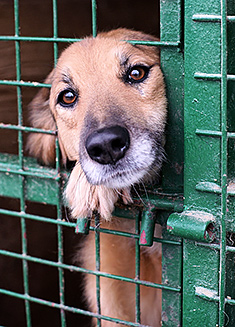
Shelter Dog Adoption Tips for Success
ADOPTION Are you intimidated by the prospect of "rescuing" a dog from a shelter? One reason that you may be wary of adopting a dog from a shelter is not knowing how to choose. Adopting a dog from a shelter can be a rewarding process, if you're prepared to do a reasonable amount of research.
Canine Urinary Tract Infections
SYMPTOMS AND TREATMENTDoes your dog seem to be having trouble relieving his or her bladder? Learn how to recognize the signs of urinary tract infections and how to treat them before they spread.

What to do for Dog Diarrhea
SYMPTOMS AND REMEDIESIf you have dogs in your house for any length of time, you have likely experienced at least one bout of dog diarrhea. Beyond the pain in the tuckus involved in cleaning up the mess, you should know what causes diarrhea, and when it's important to see the vet.

What to do for a Dog Bite
DOG BEHAVIOR Getting bitten by a dog can be scary, and you may be tempted to run around in circles for a while, trying to figure out what to do. Here's our guide to help you manage the situation.
Top Ten Tips for Living with a Senior Dog
DOG HEALTH Bringing home a new puppy is so exciting, but it doesn’t take all that long for your exuberant puppy to grow into a senior dog who may have special needs. Here are the doggies.com top ten tips for taking care of your companion who has been with you through so much.